Court Halts $480 Million Hospital Complex Bid in Belo Horizonte
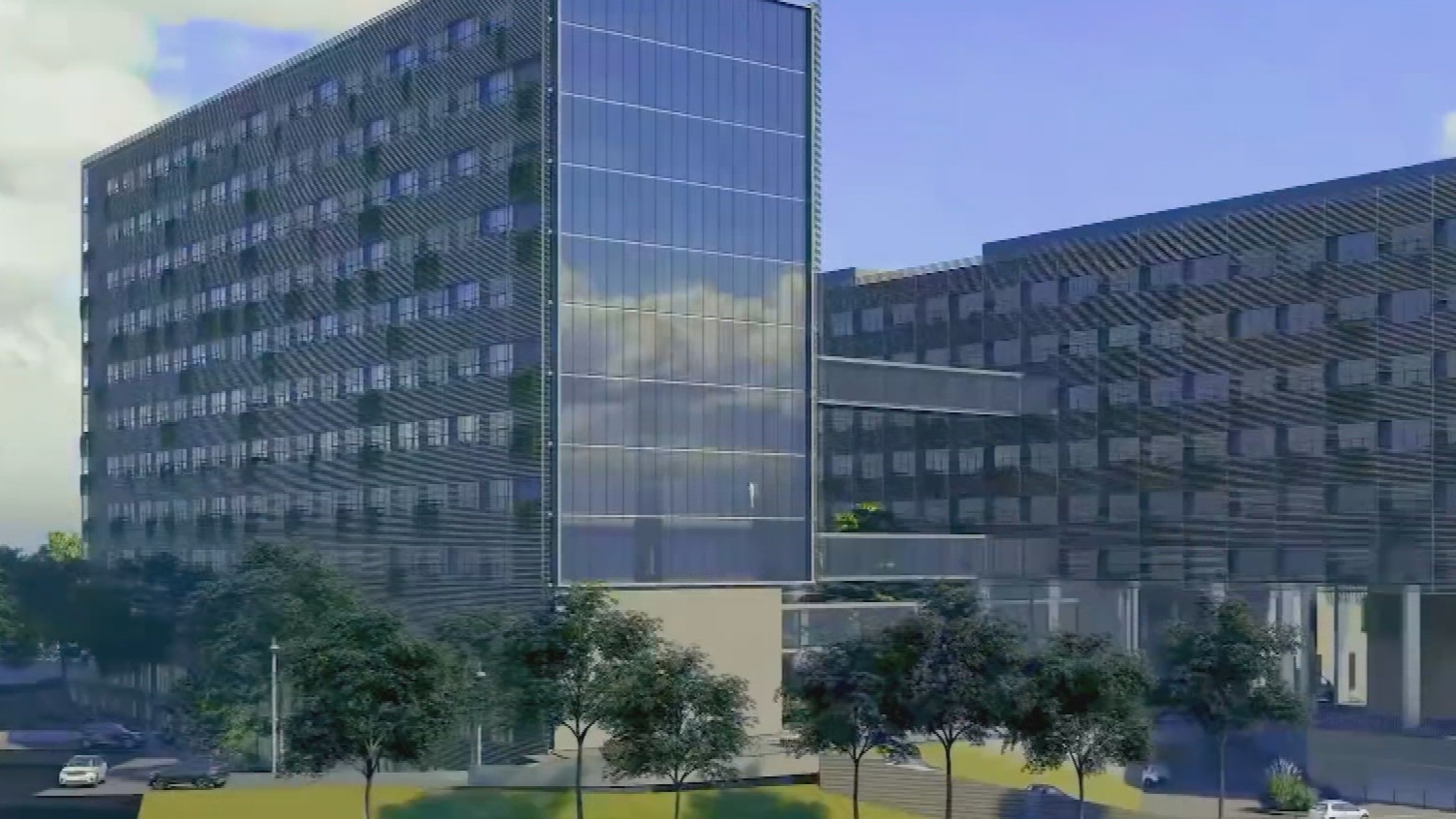
A court has suspended the bidding process for the construction and operation of the Hospital Padre Eustáquio (HoPE) Health Complex in Belo Horizonte, Minas Gerais. The decision was issued by Judge Wenderson de Souza Lima of the 2nd Public Treasury and Autarchies Court of Belo Horizonte, following a request from the Public Prosecutor's Office. The Public Prosecutor's Office questioned the legality of the international bidding notice, arguing that the state of Minas Gerais lacks specific state legislation to regulate the public service concessions outlined in the project. This absence of regulation, they contend, violates federal and state constitutions, as well as national public service concession laws.
The court's preliminary injunction prohibits the state and the Minas Gerais State Hospital Foundation (Fhemig) from continuing the bidding process or taking any steps towards awarding the contract until further judicial review. The project, a public-private partnership, was slated for approximately R$ 2.4 billion (around $480 million USD) in investments, with a 30-year administrative concession for the construction and operation of the HoPE complex on the site of the Galba Velloso Hospital. The complex was intended to incorporate four existing Fhemig units: Hospital Eduardo de Menezes, Hospital Alberto Cavalcanti, Hospital Infantil João Paulo II, and Maternidade Odete Valadares. The government of Minas Gerais stated it trusts the legality of the concession process and will present its arguments in court. A daily fine of R$ 10,000, capped at R$ 1 million, is stipulated for non-compliance, with funds directed to the State Health Fund.
This judicial suspension highlights a critical governance gap in public-private partnerships within Minas Gerais, specifically concerning the legislative framework for service concessions. The court's intervention, driven by the Public Prosecutor's Office, underscores the importance of robust legal foundations for large-scale infrastructure projects exceeding R$ 2.4 billion. The ruling suggests that the state's prior legislative attempts, including a repealed 2003 law, may have left a regulatory vacuum, potentially exposing future projects to legal challenges and delays. This situation prompts reflection on the balance between expedited project development and ensuring adherence to established legal and constitutional principles, particularly when long-term contracts and significant public funds are involved. The case serves as a reminder for governments to ensure legislative compliance before initiating complex procurement processes to avoid such disruptions and maintain public trust.
AI-generated to prompt reflection — not editorial opinion, not advice, not a statement of fact. How this works.