Court Halts Landfill Licensing in São Vicente Mining Area
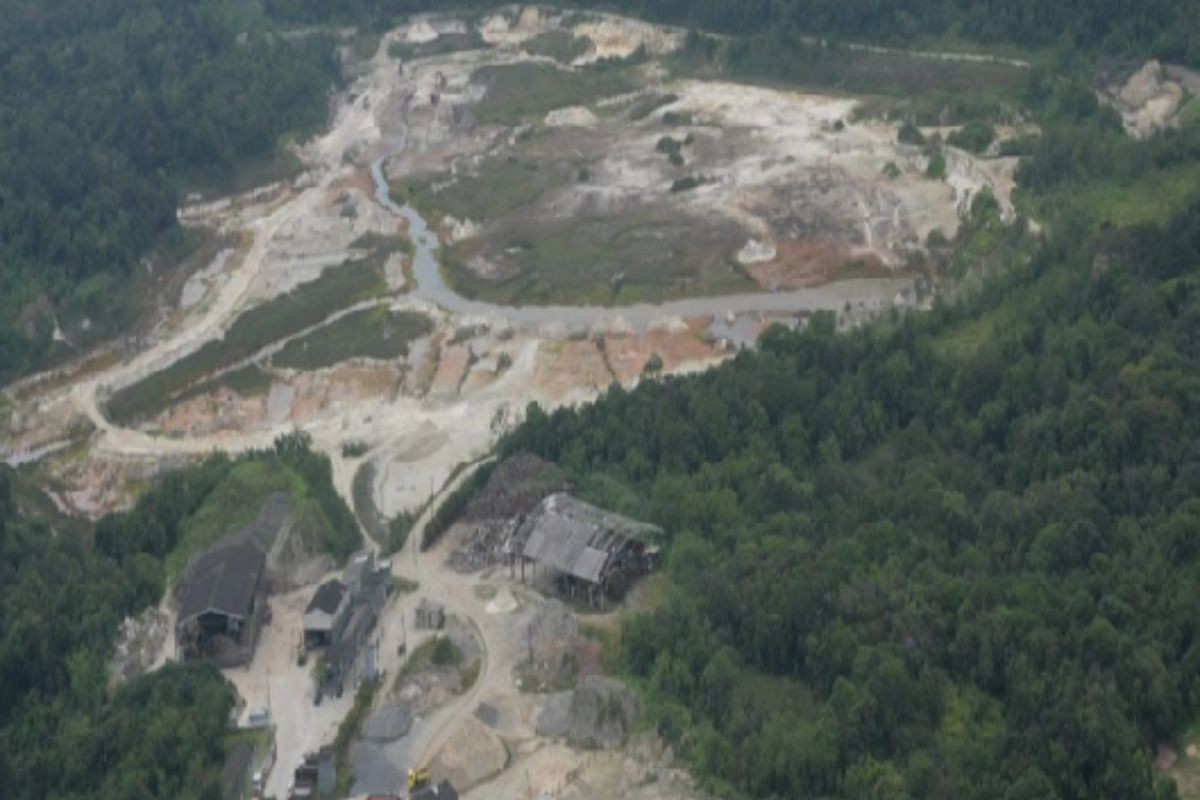
A São Paulo court has suspended the environmental licensing process for a landfill to be built on a mining site in São Vicente, a coastal city in São Paulo state. This injunction prohibits PGV Terraplenagem e Gerenciamento de Resíduos Ltda. from undertaking any work at the location, with a daily fine of R$50,000 for non-compliance. The decision stemmed from a public civil action filed by the São Paulo Public Prosecutor's Office (MPSP), which cited irregularities in the licensing procedure. These included a lack of proof of land ownership by the company and the submission of incorrect documents. The suspension remains in effect until PGV can demonstrate the area's regularity and until the National Mining Agency (ANM) provides a conclusive statement on the mine's closure plan. The MPSP highlighted three main issues: insufficient proof of property ownership, the absence of an ANM opinion on mining activity cessation, and the use of a preliminary environmental report instead of a full Environmental Impact Study (EIA/RIMA), which the MP argues is necessary given the project's scale. The landfill project aims to receive 400 tons of urban solid waste, 1,000 tons of construction debris, and 20 tons of organic waste daily, with an estimated lifespan of nearly 24 years. The MPSP seeks to have the licensing declared invalid and requests that any new application only be considered after a separate legal action investigating potential contamination at the site is resolved. If contamination is confirmed, the MP also seeks environmental recovery and compensation for collective damages.
This judicial intervention highlights the critical need for robust due diligence and transparent land use transitions, particularly when repurposing sites with historical industrial activity. The legal action underscores potential systemic risks associated with incomplete property rights verification and the integration of mining closure plans with new development permits. Future regulatory frameworks may need to more explicitly address the complexities of legacy environmental liabilities and ensure that the sequencing of environmental assessments and public consultations aligns with the scale and potential impact of proposed projects. The case also points to the ongoing tension between economic development initiatives and the imperative of environmental protection, suggesting that clear, verifiable ownership and comprehensive environmental impact studies are foundational to sustainable land use planning.
AI-generated to prompt reflection — not editorial opinion, not advice, not a statement of fact. How this works.
