Court Halts Sorocaba's Marginal Itanguá Roadworks, Citing Environmental Risks
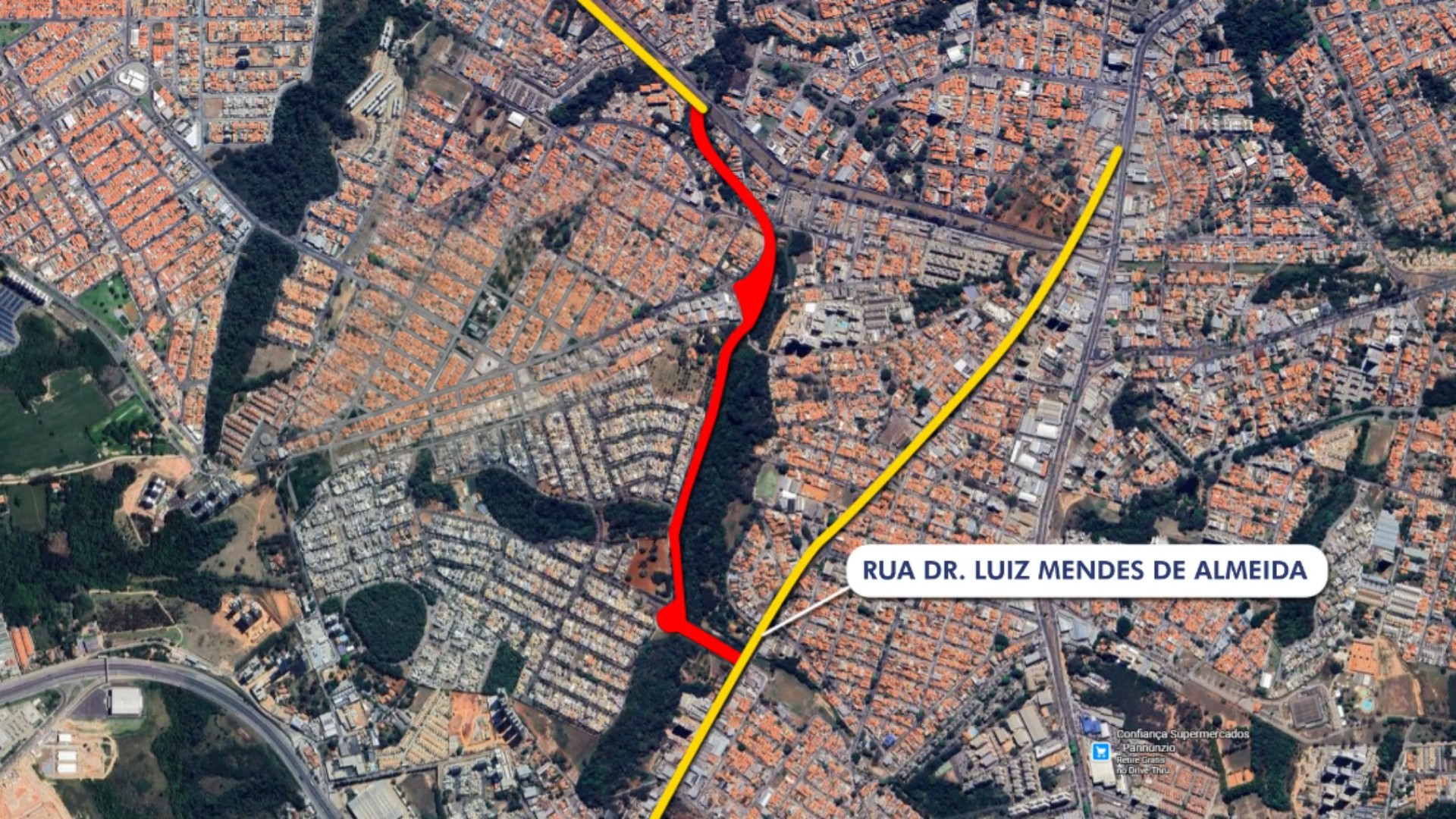
A federal court in Sorocaba, São Paulo, has upheld the suspension of construction on the second phase of the Marginal Itanguá road project. The court rejected the municipality's arguments to overturn an embargo initially imposed in early July. Federal Substitute Judge Raquel Alice Cavalcante ordered the municipal government to isolate and seal the construction area within 48 hours, imposing a daily fine of R$ 100,000 for non-compliance. The ruling prohibits any vegetation removal, earthmoving, machinery operation, or interference with areas of permanent preservation that advance the project. The judge found that the municipality's reliance on a recent law exempting it from prior environmental agency approval was inapplicable, as the licensing actions in question predated the legislation. Further justifications for the decision include the lack of wildlife management permits and the risk of irreversible environmental damage. The court did authorize emergency containment and conservation measures, such as repairing existing sediment barriers, installing new ones, temporary drainage, and slope stabilization, provided these actions do not physically advance the construction. The municipality must provide a detailed plan for these measures within 48 hours. The suspension originated from a popular action, spurred by protests and an incident where monkeys were seen fleeing deforestation. The R$ 68 million project is funded by an international loan of up to US$ 70 million from the Andean Development Corporation (CAF), with federal backing. The works have also faced local opposition, including calls for a parliamentary inquiry and an incident that damaged a gas line, impacting a local school.
This judicial intervention highlights the critical tension between urban development initiatives and environmental protection mandates. The court's decision underscores the importance of thorough environmental impact assessments and adherence to existing regulations, even when new legislation appears to offer exemptions. The ruling suggests that procedural compliance and demonstrable mitigation of ecological risks are paramount, particularly when irreversible damage is a potential consequence. Future infrastructure projects in sensitive areas may need to incorporate more robust environmental safeguards and transparent public consultation processes from their inception to navigate legal challenges and public scrutiny effectively. The financial implications, including the daily fines and the potential for project delays, also present a significant risk management consideration for municipal planning and execution.
AI-generated to prompt reflection — not editorial opinion, not advice, not a statement of fact. How this works.