Court Halts Tree Removal for Cuiabá Urban Project Amid Environmental Concerns
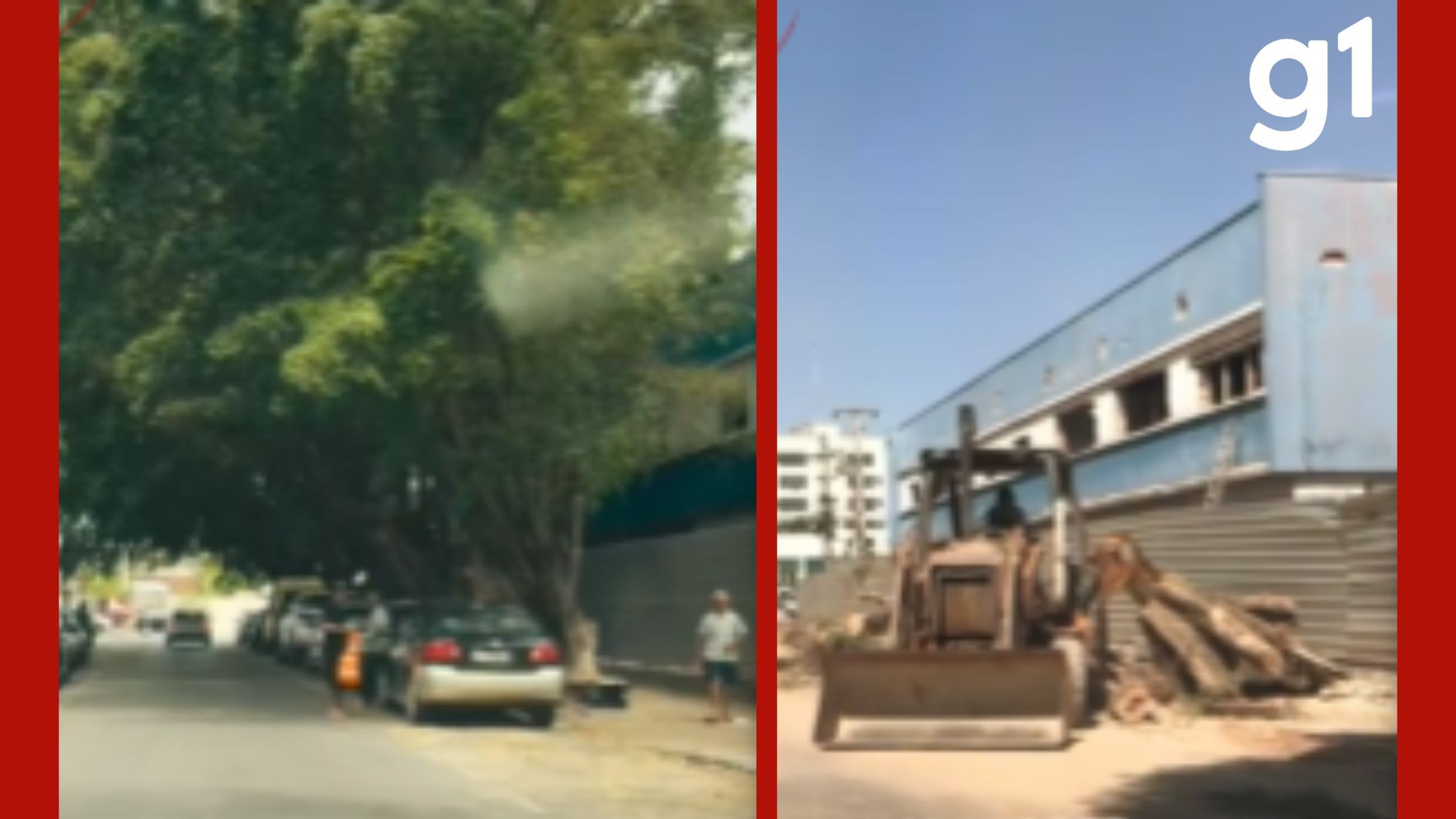
A Mato Grosso court has ordered an immediate halt to the removal of remaining trees for urban mobility works on Avenida Fernando Corrêa da Costa in Cuiabá. The decision partially grants a request from the State Public Prosecutor's Office (MPMT), which cited deficiencies in the municipality's urban tree management policy and questioned authorizations for tree felling. Judge Bruno D’oliveira Marques issued the preliminary injunction on Tuesday, May 7th. The MPMT's lawsuit sought the reorganization of the municipal tree policy and the establishment of technical criteria for authorizing tree pruning and removal. The Public Prosecutor's Office noted that 24 trees have already been removed, with plans to cut up to 82 more. They argue that the municipality's compensation measures focus solely on the number of saplings planted, neglecting factors like the size, biomass, and environmental services provided by mature trees. The judge mandated a halt to further tree removal on the avenue until a new court ruling. Interventions can only resume if the city proves it has required equivalent environmental compensation, viable tree transplantation, and continuous monitoring. The court emphasized that removing mature trees could cause irreversible short- and medium-term environmental damage, as newly planted saplings cannot quickly replace the benefits of shade, temperature reduction, and heat island mitigation, particularly in Cuiabá's hot climate. The ruling does not, for now, suspend all existing tree felling permits in the capital, as this broader request requires hearing from the Municipality first. The city has 72 hours to respond, and the Municipal Works Secretary, Reginaldo Teixeira, was personally notified, with a potential personal fine of R$ 50,000 for non-compliance.
This judicial intervention highlights a common tension between urban development projects and environmental preservation, particularly concerning mature urban trees. The court's reasoning underscores the inadequacy of simple quantitative compensation for ecological services provided by established flora, such as temperature regulation and shade, which are critical in rapidly warming urban environments. The decision prompts a re-evaluation of municipal arboricultural policies, suggesting a need for more robust, qualitative assessment criteria that account for the long-term ecological and social benefits of existing tree canopies. Moving forward, urban planning frameworks may need to integrate advanced ecological impact assessments and adaptive management strategies to balance infrastructure needs with the imperative of maintaining urban green infrastructure, especially in the face of climate change.
AI-generated to prompt reflection — not editorial opinion, not advice, not a statement of fact. How this works.