Court Orders Arrest Warrant for Regent Chairman Shahed in Loan Default Cases
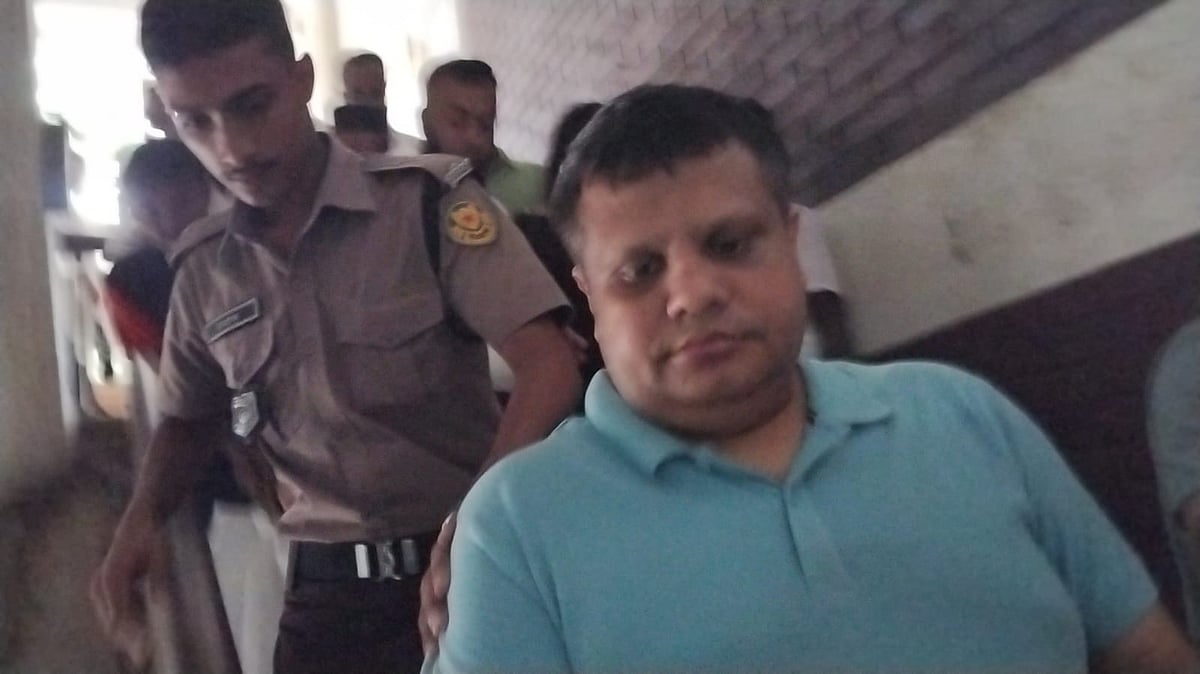
A Dhaka court has ordered that Regent Hospital and Regent Group Chairman Mohammad Shahed, also known as Shahed Karim, be shown arrested in two loan default cases filed by NRB Bank. The order was issued today, Monday, by Judge Md. Mosharraf Hossain of the Fourth Artha Rin Adalat (Money Loan Court) in Dhaka. Shahed's lawyer, Mohammad Dabir Uddin, confirmed this information, stating that a bail application was submitted for Shahed in both cases. However, the court ordered his arrest because 25% of the claimed amount was not deposited as per the court's rules. The defense plans to appeal this decision in a higher court soon. Lawyer Dabir Uddin also claimed they were unaware of such cases against Shahed prior to this. According to case documents, Shahed took a loan of Tk 1.51 crore from NRB Bank in 2014 for Regent Hospital, along with a credit card facility of Tk 5.55 lakh in his own name. As he failed to repay the loan and credit card dues for an extended period, NRB Bank filed two separate cases in 2021. With accrued interest and principal, the bank's total claim now stands at approximately Tk 3.52 crore. Shahed was previously arrested on July 20th based on a warrant in a Tk 2.16 crore check dishonor case filed by Mercantile Co-operative Bank, and has been in custody since. Shahed Karim gained notoriety in 2020 as the chairman of Regent Hospital for issuing fake COVID-19 test reports and other fraudulent activities. He faces over 35 cases related to arms, fraud, and illegal wealth acquisition, and was sentenced to life imprisonment in an arms case on September 28, 2020. After being released from prison on September 4, 2024, following nearly four years of incarceration and securing bail in various cases, he was subsequently arrested in these new cases.
This legal development highlights the ongoing financial repercussions for Mohammad Shahed, following his earlier conviction and subsequent release. The NRB Bank cases underscore the systemic risks associated with unsecured lending and the challenges financial institutions face in recovering substantial debts. The court's requirement for a 25% deposit before granting bail reflects a common judicial approach to ensure seriousness in repayment obligations, while the defense's claim of prior ignorance raises questions about transparency in legal proceedings and client communication. As Shahed faces multiple legal battles, the trajectory of these cases will likely depend on the strength of documentary evidence and the court's interpretation of financial regulations, offering a case study in corporate governance failures and the long tail of financial accountability.
AI-generated to prompt reflection — not editorial opinion, not advice, not a statement of fact. How this works.