Court Orders Arujá to Fix Mental Health Services for Youth
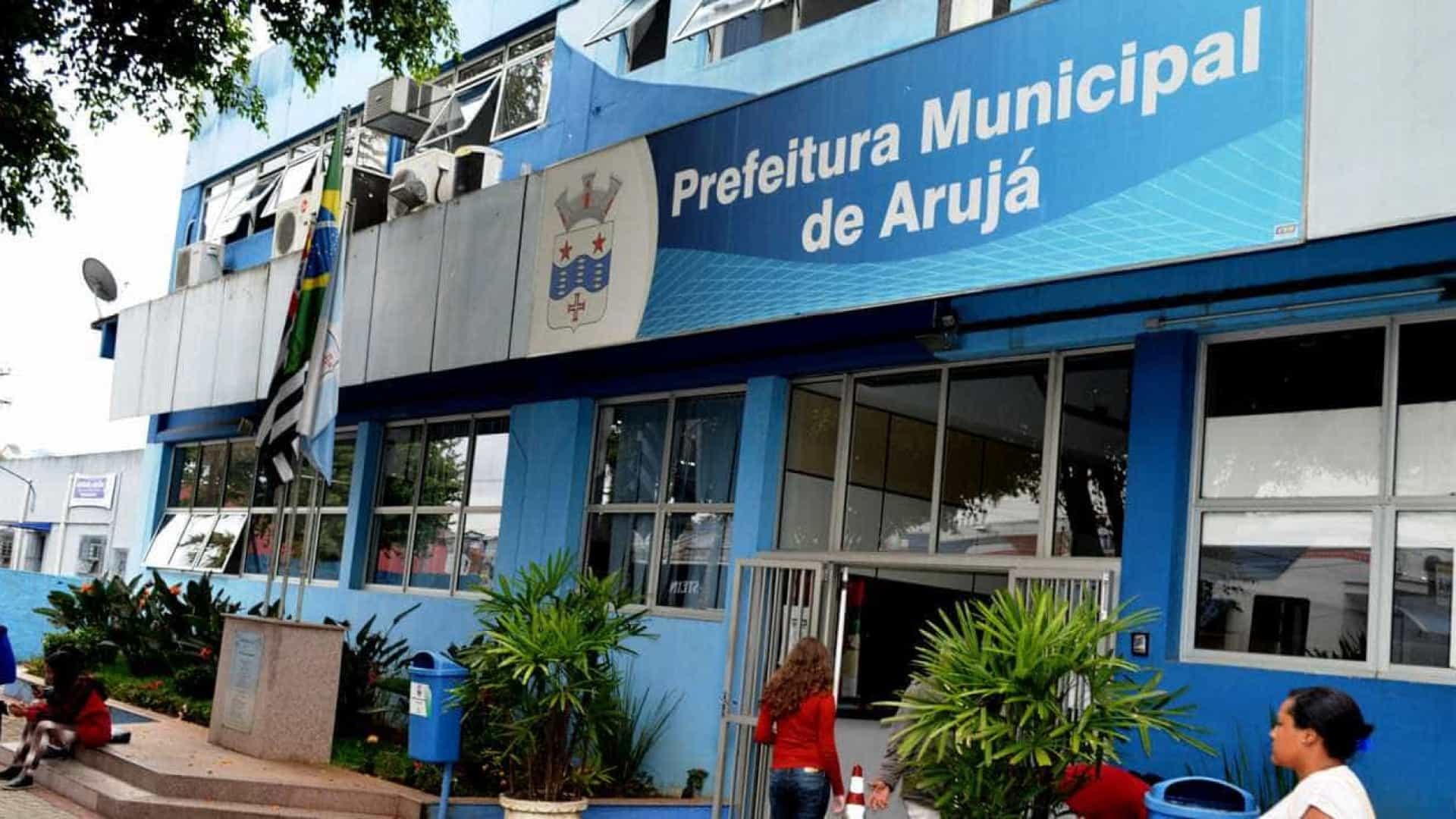
A court in Arujá, Brazil, has ordered the municipal government to rectify deficiencies in mental health services for children and adolescents. The 2nd Civil Court of Arujá mandated that the city administration must regularize these services, as over 500 young individuals are currently awaiting psychological or psychiatric attention within the municipal network. This judicial decision stems from a decade-long pattern of failures and omissions in providing mental health care, according to the São Paulo Court of Justice (TJ-SP). The court highlighted critical issues including a lack of mental health support for adolescents in socio-educational measures, non-compliance with the regional psychosocial care plan, and inadequate budgeting and planning for the establishment of Psychosocial Care Centers (CAPS). Judge Igor Ferreira dos Santos emphasized that delays in treatment can inflict permanent developmental harm on young individuals, stating that such damage accumulates silently and is often irreparable, shaping entire life trajectories. The ruling sets strict deadlines: within 60 days, the city must ensure specialized care for referred youth by creating a concrete protocol, and within 180 days, it must present a detailed financial and operational plan for implementing a child and adolescent CAPS (CAPS i) and an Alcohol and Drugs CAPS (CAPS AD). Failure to comply could result in a daily fine of R$5,000. The Arujá City Hall expressed surprise at the decision, asserting that services have never been interrupted and are provided through other public facilities. They are reportedly planning the implementation of the CAPS i and CAPS AD, but noted that increased municipal revenue from pending tax collection cases, stalled in the judiciary since 2019, could significantly boost investment in health and social services.
This judicial intervention underscores a systemic failure in municipal governance to prioritize and adequately fund essential mental health services for vulnerable youth. The court's strong stance, including specific timelines and financial penalties, aims to compel governmental action where administrative oversight and planning have been deficient for over a decade. The municipality's response, while acknowledging ongoing service provision, deflects some responsibility by pointing to broader fiscal challenges and judicial delays in tax collection, suggesting a potential disconnect between resource availability and service prioritization. Looking ahead, this situation highlights the critical need for robust, proactive mental healthcare infrastructure that anticipates demand and integrates effectively with broader social support systems, rather than reacting to judicial mandates. The long-term implications of delayed care for child and adolescent development necessitate a shift towards preventative and accessible mental health resources, driven by both public policy and efficient fiscal management.
AI-generated to prompt reflection — not editorial opinion, not advice, not a statement of fact. How this works.