Court Orders Demolition of Two Illegal Floors in São Luís Building
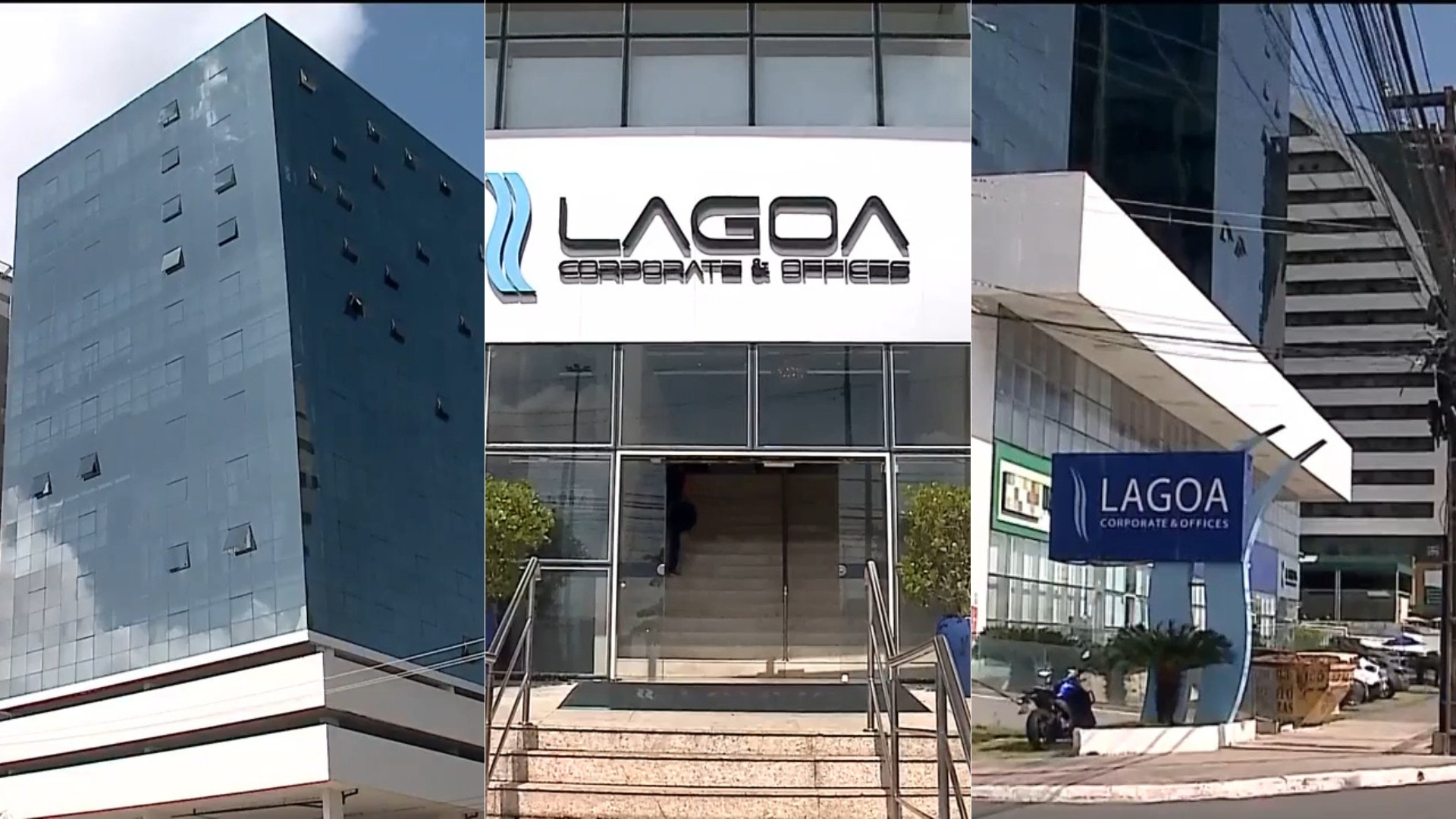
A court in São Luís has ordered the demolition of two unauthorized floors of the Lagoa Corporate condominium. The ruling mandates that the São Luís City Hall and the construction company Sá Cavalcante Incorporações Imobiliárias must remove the excess levels, which exceed the permitted eight floors for the Corredor Consolidado 1 (CC1) zone. The court also invalidated the construction permit, its renewals, and the occupancy permit (Habite-se) issued by the Municipal Secretariat of Urbanism and Housing (Semurh). Additionally, a decree authorizing the building's height increase was nullified, as it violated Municipal Law nº 3.254/1992. The demolition must be completed within 180 days of the final court decision. The Semurh stated it had not yet been officially notified and would review the sentence upon receipt. Sá Cavalcante maintains the project's legality, citing permits obtained between 2010 and 2015, and plans to appeal the ruling. The Public Prosecutor's Office alleged the building was licensed with incorrect urban planning parameters, using regulations for a Residential Zone 2 (ZR2) instead of the CC1 classification for the property's main facade. This misapplication allegedly allowed for the construction of the two extra floors. A technical report confirmed the building's front faces the avenue, urban operations are not permitted in CC1, and incompatible zoning rules were used, leading to increased construction area. If demolition risks structural stability, the city and developer may owe compensation equivalent to the market value of the extra floors. The judge cited both the developer's illegal construction and the municipality's administrative failures in granting permits and enforcing regulations as contributing to urban damage.
This ruling highlights a critical tension between urban development and regulatory compliance. The court's decision to nullify permits and order demolition underscores the potential for misapplication of zoning laws and the importance of robust municipal oversight. The case demonstrates how incorrect parameter application can lead to significant urbanistic and potentially structural deviations, impacting the intended urban fabric. Future urban planning frameworks may need to incorporate more stringent verification processes and clearer guidelines to prevent such discrepancies, especially as cities grapple with rapid development and the need for housing. The legal recourse and potential compensation mechanisms suggest a system designed to address such breaches, but the practical challenges of demolition versus compensation present a complex trade-off between restoring legality and managing existing infrastructure and occupancy.
AI-generated to prompt reflection — not editorial opinion, not advice, not a statement of fact. How this works.