Court Orders Fuel Station Demolished in São Luís for Urban Planning Violations
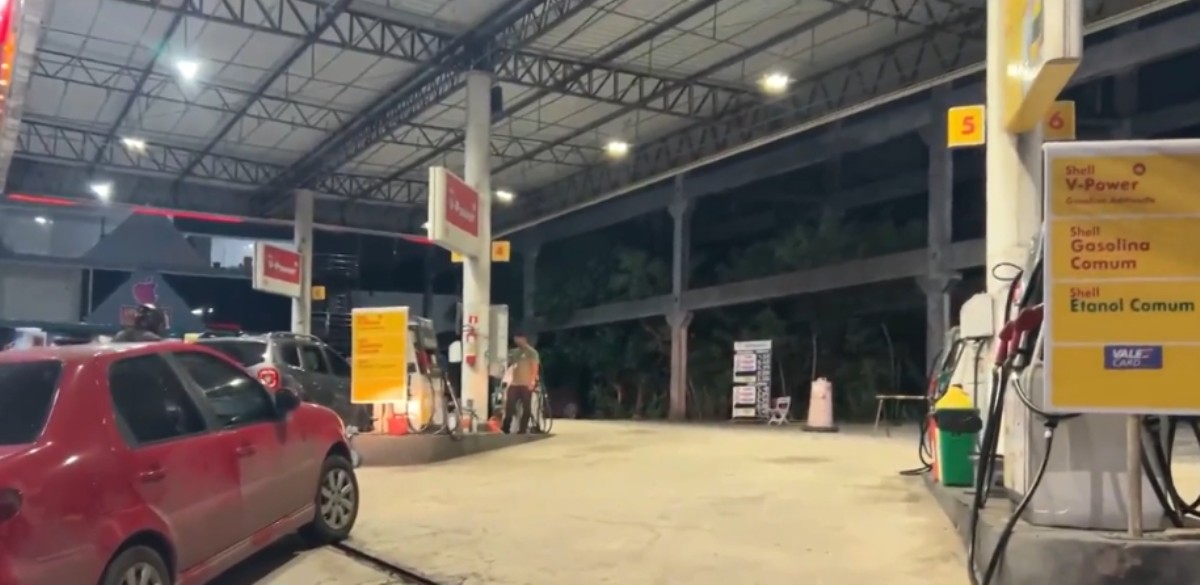
A court in São Luís, Maranhão, has ordered the definitive closure and demolition of the Posto de Gasolina Século Futuro. The decision, issued by Judge Douglas de Melo Martins of the Court of Diffuse and Collective Interests, invalidates all construction permits, installation licenses, operation licenses, and any other provisional authorizations for the fuel station. The court found that the station was constructed in an area designated as non-buildable and failed to comply with the mandatory 30-meter setback from the public road, as stipulated by Municipal Law nº 3.253/1992. Additionally, the fuel station violated regulations concerning minimum distances from other existing fuel stations and encroached upon the safety zones of sensitive establishments, including the Escola de Cegos do Maranhão (Maranhão School for the Blind) and a major private hospital. The company responsible for the Posto de Gasolina Século Futuro has been given 90 days to demolish all non-compliant structures, including the metal canopy, refueling islands, underground tanks, and a three-story building made of containers. Following demolition, the site must be cleared of debris, the sidewalk restored, and the tactile paving for accessibility to the School for the Blind re-established. The Municipality of São Luís is mandated to immediately enforce the closure and is prohibited from issuing any new permits or licenses for fuel commerce at this location.
This judicial decision highlights a critical tension between economic development and public safety regulations, particularly concerning urban planning and environmental safety. The court's ruling emphasizes that the issuance of licenses by public bodies does not supersede fundamental legal requirements, especially when public safety and well-being are compromised. The case underscores the importance of rigorous oversight in the licensing process for businesses handling potentially hazardous materials like fuel, and the need for effective enforcement mechanisms to prevent the consolidation of illegal operations under the guise of legitimate permits. Looking ahead, such rulings may prompt a re-evaluation of municipal zoning laws and licensing procedures to ensure greater compliance and public protection, potentially influencing future urban development strategies in areas with sensitive infrastructure and high population density.
AI-generated to prompt reflection — not editorial opinion, not advice, not a statement of fact. How this works.