Court Orders Road Access for Indigenous Village in Ubatuba
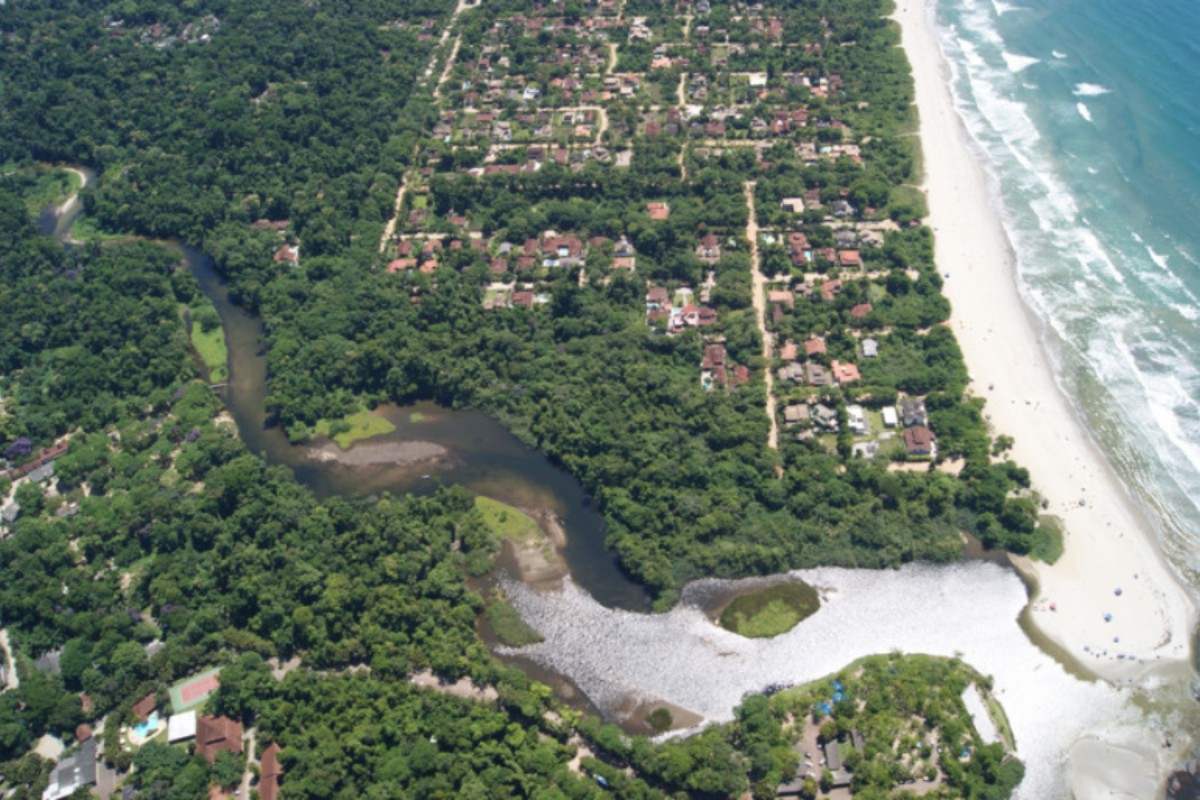
A Federal Court in Caraguatatuba has ordered the Union, the National Indian Foundation (Funai), the São Paulo State Government, and the Ubatuba City Hall to construct a permanent road access for the Guarani Mbya Yakã Porã indigenous village. The community, located in the Rio Bonito neighborhood of Ubatuba, currently relies on a footbridge over the Itamambuca River, which becomes impassable during rainy seasons. This lack of adequate infrastructure prevents essential services like ambulances and school buses from reaching the village and hinders residents' access to public services. The lawsuit, filed by the State Public Defender's Office, the Union Public Defender's Office (DPU), and the Guarani Yvyrupa Commission, highlighted that the existing footbridge is insufficient for vehicle traffic and leads to the village being isolated during periods of rain. The court ruled that the inadequate infrastructure violates the indigenous community's fundamental rights and holds the four public entities responsible for resolving the issue. Following the final judgment, an executive project for the road construction must be developed within 180 days, with the work to be completed within one year of the project's judicial approval. Public authorities have been aware of this problem for years, with a previous attempt to build a suspended footbridge proving inadequate.
This judicial decision addresses a long-standing infrastructure deficit impacting an indigenous community's fundamental rights. The court's order mandates collaborative action from multiple government bodies, highlighting a systemic failure to provide essential access. The ruling underscores the legal imperative for public entities to ensure equitable access to services, particularly for vulnerable populations. Moving forward, the focus will be on the timely execution of the approved project, testing the administrative capacity and inter-agency cooperation of the involved parties. The case serves as a precedent for addressing similar infrastructure gaps that hinder the well-being and integration of indigenous communities into broader societal services.
AI-generated to prompt reflection — not editorial opinion, not advice, not a statement of fact. How this works.