Court Orders São Paulo to Reduce Prison Overcrowding in Americana
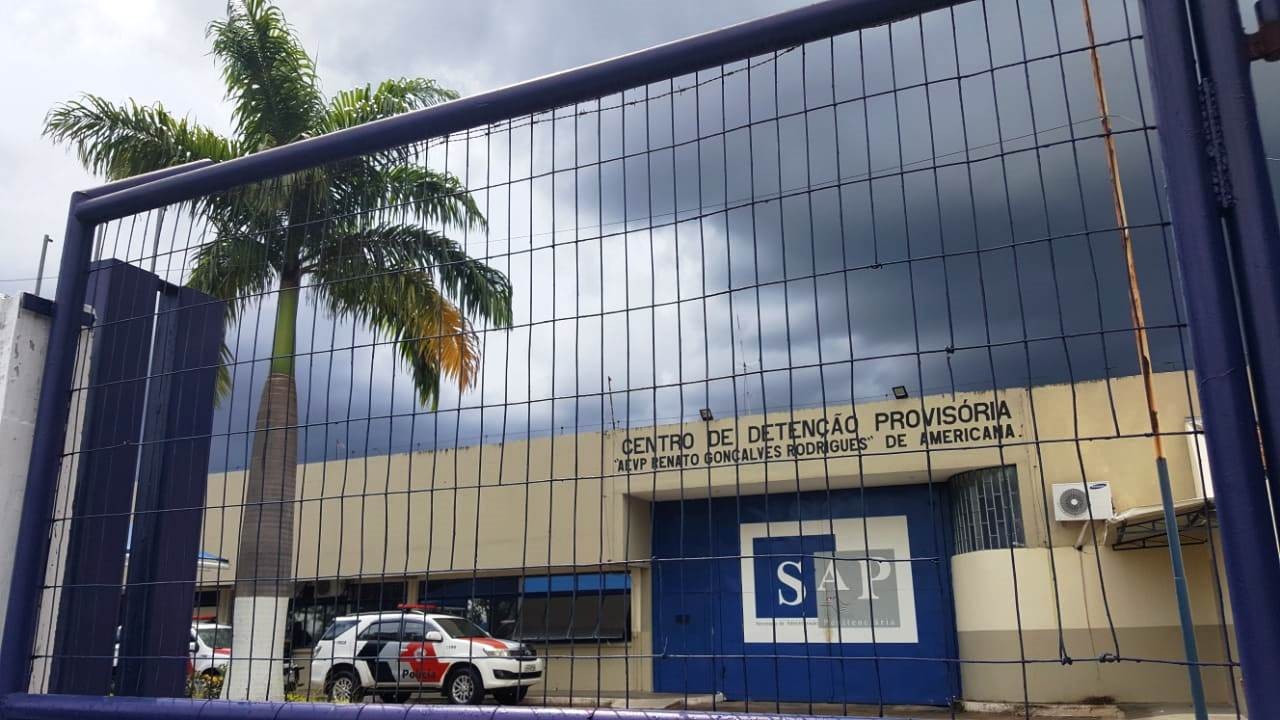
A Brazilian court has ordered the São Paulo state government to reduce severe overcrowding and address sanitary and fire safety issues at the Renato Gonçalves Rodrigues Provisional Detention Center (CDP) in Americana. The facility, designed for 639 inmates, currently holds approximately 1,190 prisoners, exceeding its capacity by 551 individuals. This provisional decision was issued by the 1st Civil Court of Americana following a lawsuit filed by prosecutor Rafael Fernandes Viana. The court has given the state 90 days to limit new inmate admissions and transfer excess prisoners, as well as to rectify sanitary problems identified by the health surveillance agency. Additionally, fire safety issues must be resolved within 180 days, including obtaining the necessary fire department inspection certificate. Failure to comply with the court's order without justification will result in a daily fine of R$10,000. Inspections and technical reports revealed not only overcrowding but also sanitary deficiencies, structural irregularities, and a lack of fire safety authorization. The prosecutor deemed the current conditions "inadmissible," violating basic standards of safety, health, and human dignity. In response, the Secretariat of Penitentiary Administration stated that the unit "operates within safety and discipline standards" and announced plans for two new prison units that will create 1,646 new spaces, though their location and allocation to the Americana region were not specified. The secretariat also did not detail the specific measures it will take to comply with the judicial decision.
This judicial intervention highlights a systemic challenge in Brazil's penal system: the persistent issue of prison overcrowding and its associated risks. The court's directive, while addressing immediate safety and sanitary concerns, points to the underlying need for comprehensive penal policy reform. The state's response, mentioning future capacity increases, suggests a reactive approach rather than a proactive strategy to manage inmate populations and infrastructure. The discrepancy between the court's findings and the Secretariat's assertion of operational standards raises questions about oversight and accountability mechanisms. Looking ahead, the long-term sustainability of Brazil's correctional facilities will depend on addressing root causes of incarceration, exploring alternative sentencing, and ensuring that infrastructure development keeps pace with, or ideally precedes, population growth, rather than merely reacting to judicial mandates and potential human rights violations.
AI-generated to prompt reflection — not editorial opinion, not advice, not a statement of fact. How this works.