Court Orders Santarém Shipping Company to Ensure Passenger Safety
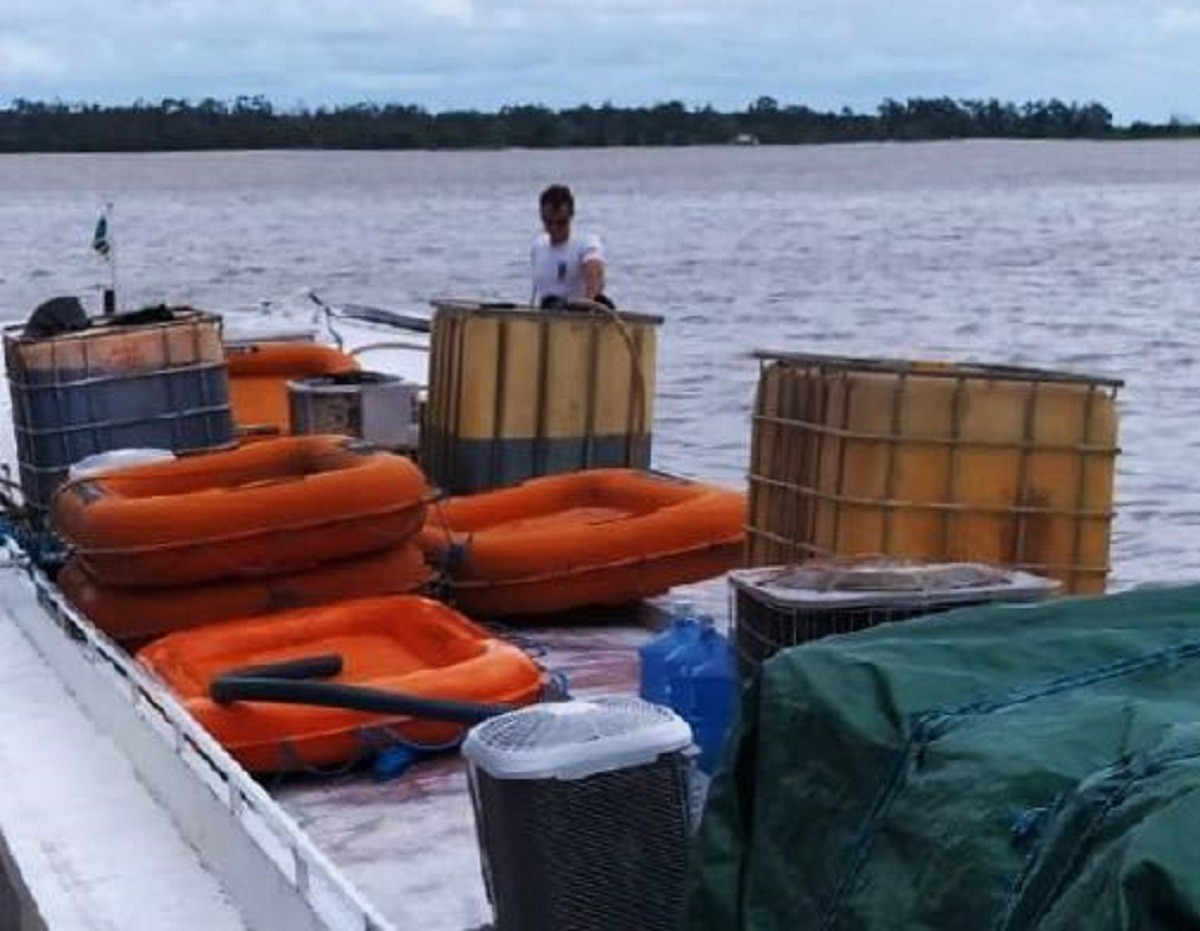
A court in Pará, Brazil, has ordered the Santarém-based shipping company Erlon Rocha Transportes (Erlonav) to implement safety measures for its passengers following legal action by the Public Prosecutor's Office of Pará (MPPA). The ruling, issued on Wednesday, November 16, by the 1st Civil and Business Court of Santarém, mandates that Erlonav cease transporting passengers on vessels with any defects or irregularities that compromise navigation safety. The company is also prohibited from using improvised fuel storage or transfer methods that violate maritime regulations.
Within 15 days, Erlonav must provide updated documentation proving the regularity of its fleet, including safety and navigability certificates. Failure to comply will result in a daily fine of R$5,000, capped at R$150,000. This action stems from a civil inquiry into an incident in 2022 where the vessel Anna Karoline V, traveling between Santarém and Manaus, continued its journey despite a fuel tank malfunction. The MPPA alleges that diesel fuel was transferred into plastic containers, creating an explosion risk for the approximately 90 passengers, including children, elderly, and a disabled individual, who were stranded for over 14 hours in poor conditions. The investigation also revealed a history of safety issues with Erlonav vessels, including a previous shipwreck that caused 42 fatalities, as well as reports of overcrowding, mechanical failures, and inadequate passenger assistance.
This judicial intervention highlights a critical tension between operational efficiency and passenger safety in Brazil's vital riverine transportation sector. The MPPA's action, prompted by a specific safety lapse and a documented history of incidents, underscores the need for robust regulatory oversight and corporate accountability. The court's preliminary injunction imposes immediate operational constraints, reflecting a systemic risk identified by the prosecution. Looking ahead, the case raises questions about the long-term sustainability of business models that may prioritize cost-saving over stringent safety protocols, particularly in an era where supply chain resilience and public trust are paramount. The company's response to these mandates will be indicative of its commitment to adapting to evolving safety standards and its capacity to navigate the complex legal and regulatory landscape governing maritime transport.
AI-generated to prompt reflection — not editorial opinion, not advice, not a statement of fact. How this works.