Court Orders Tangará da Serra to House Flood-Affected Family
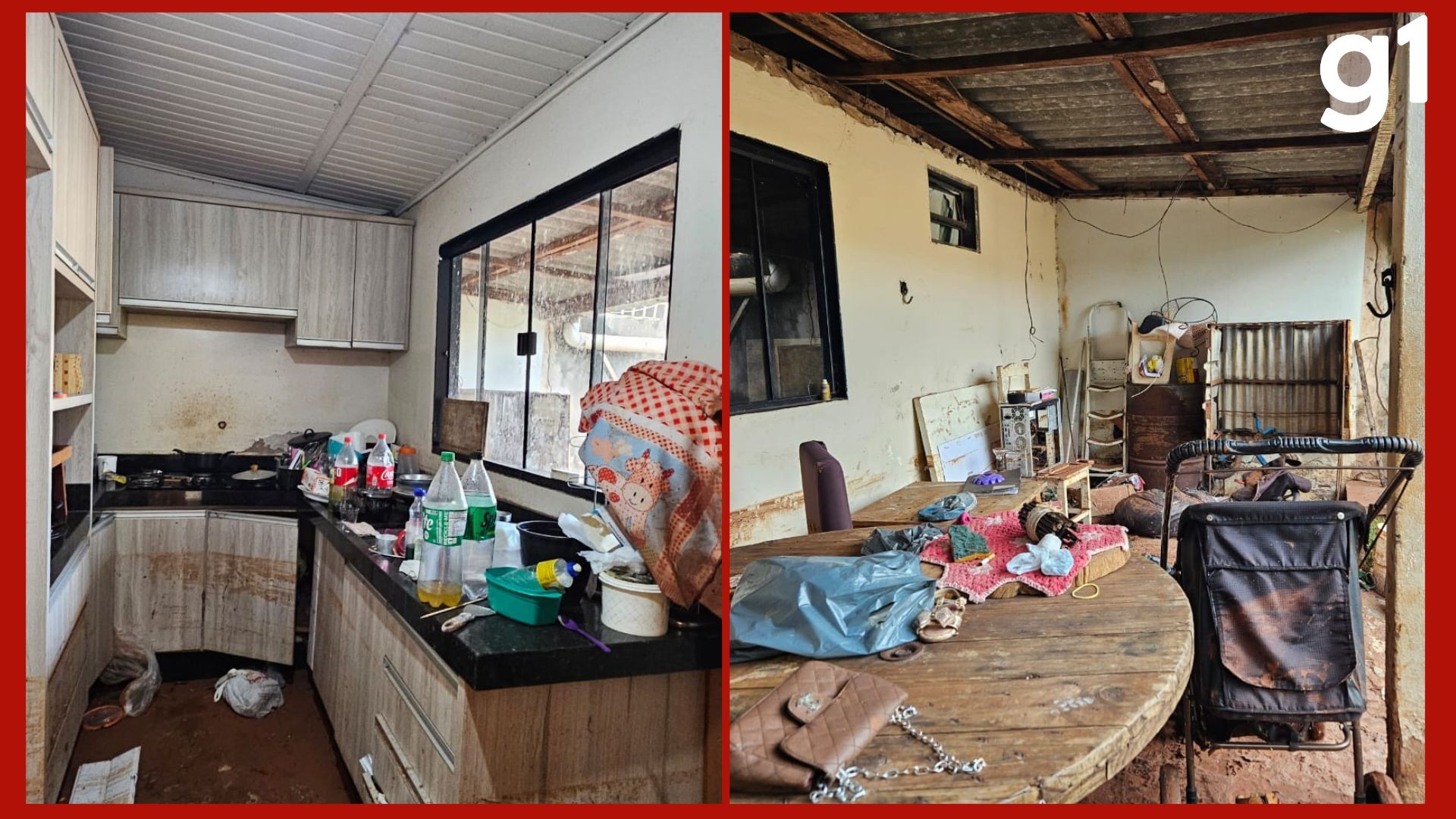
A court in Tangará da Serra, Mato Grosso, has mandated the municipal government to provide temporary housing for a family displaced by a flood. The ruling also requires the city to enroll the family in social assistance programs and submit a report within five days assessing the habitability of their damaged home. The lawsuit was initiated by Zayama Kelly de Oliveira, a manicurist, who alleges that municipal construction on an adjacent property in June caused the flooding. The family's home sustained significant damage, rendering it unsafe for habitation. The affected family includes a 14-year-old adolescent and a one-year-old child. They are currently residing in a commercial space lacking adequate hygiene and privacy, and their temporary landlord has requested they vacate, increasing their risk of homelessness. The court's decision mandates the city to offer a housing solution within five days, which could involve providing a public property, renting a house, or offering a monthly housing subsidy of at least R$700. Judge Diego Hartmann noted that the municipality had previously failed to comply with an order for the Civil Defense to produce a damage assessment within 24 hours, without providing justification. The family's vulnerability was established through their inclusion in the CadÚnico registry. Failure by the municipality to comply with the housing order could result in the freezing of public funds and a R$5,000 fine, with an additional R$50,000 fine if the technical report on the house's condition is not submitted on time.
This situation highlights a critical tension between municipal development projects and the protection of citizens' fundamental right to housing, particularly in the face of environmental challenges like flooding. The court's intervention underscores the potential for infrastructure development to inadvertently create vulnerabilities for existing residents, necessitating robust governmental oversight and accountability mechanisms. The ruling emphasizes the judiciary's role in ensuring that administrative actions do not lead to the displacement or endangerment of vulnerable populations, especially when official assessments and assistance are delayed or neglected. Moving forward, proactive urban planning that incorporates climate resilience and comprehensive social impact assessments prior to construction could mitigate such conflicts and prevent future hardships, aligning development with long-term community well-being and sustainable governance.
AI-generated to prompt reflection — not editorial opinion, not advice, not a statement of fact. How this works.