Court Overturns Minister's Decision on Former Police Vice President Kišš
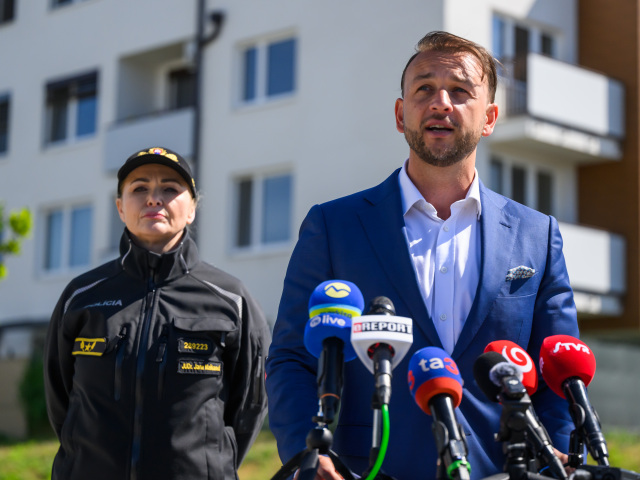
The Ministry of Interior, led by Matúš Šutaj Eštok, has experienced another legal setback concerning the group known as the 'Čurillovci'. The Administrative Court in Bratislava ruled against the ministry in the case of Branko Kišš, the former first vice president of the Police Corps. This decision marks a continuation of legal challenges faced by the ministry in its disputes with this group. The court's ruling specifically overturned a decision previously made by Minister Šutaj Eštok regarding Kišš. The 'Čurillovci' group, whose designation stems from a former police investigator, has been involved in several high-profile cases and has faced scrutiny from various governmental bodies. This latest court victory for them highlights ongoing tensions and legal battles within Slovakia's law enforcement and judicial systems. The specifics of Minister Šutaj Eštok's original decision concerning Branko Kišš have not been detailed, but the court's reversal indicates a significant legal finding in favor of the former police vice president. The situation underscores the complex internal dynamics and legal challenges affecting the Slovak police force and its leadership.
This legal ruling against the Ministry of Interior, concerning a former high-ranking police official, suggests potential governance issues within the ministry's decision-making processes. The repeated legal defeats for the ministry in disputes involving the 'Čurillovci' group may indicate a need for enhanced legal review and procedural adherence in administrative actions. Such outcomes can impact institutional credibility and resource allocation, as legal battles consume significant time and finances. Looking ahead, the consistent challenges faced by the ministry could prompt a re-evaluation of internal oversight mechanisms and the legal frameworks governing disciplinary actions and personnel decisions within the police force. This situation presents an opportunity to strengthen the rule of law and ensure greater accountability, fostering public trust in law enforcement institutions.
AI-generated to prompt reflection — not editorial opinion, not advice, not a statement of fact. How this works.