Court Rejects Defense's Bid to Exclude Illegally Obtained Recording of Ex-Senator Hernández
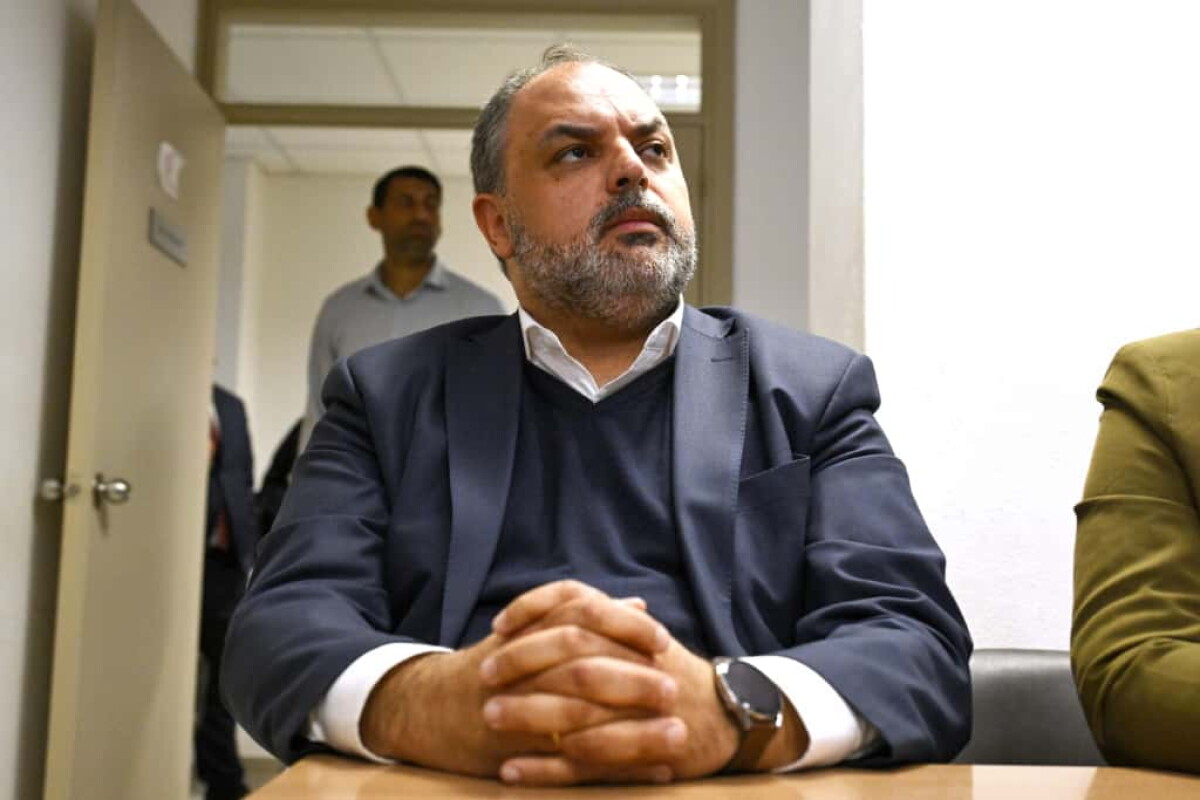
The defense team for former senator Richard Aguilar Villa requested that a recording of his testimony be excluded as evidence, arguing it was obtained illegally and violated fundamental rights. However, the presiding judge rejected this plea. The magistrate sided with the prosecution's position, allowing the recording to be presented as evidence. The defense had specifically argued that the material was acquired illicitly, aiming to prevent its use in the ongoing legal proceedings. This decision by the judge means the prosecution can proceed with using the recording, which is likely to be a significant piece of evidence in the case against the former senator. The court's ruling upholds the prosecution's stance on the admissibility of the evidence.
The court's decision to admit the contested recording highlights the ongoing tension between securing evidence and upholding individual rights in legal proceedings. While the defense sought to invalidate the evidence based on its acquisition method, the judge's ruling suggests a determination that the prosecution met the necessary legal threshold for its admissibility. This case underscores the critical role of judicial discretion in balancing investigative needs against constitutional protections. Future legal strategies may focus on refining protocols for evidence collection to preempt such challenges, ensuring a more robust evidentiary foundation while respecting due process.
AI-generated to prompt reflection — not editorial opinion, not advice, not a statement of fact. How this works.