Court Rejects Lawyer's Appeal After Using Mock Titles for Judges and Fabricated Case Law
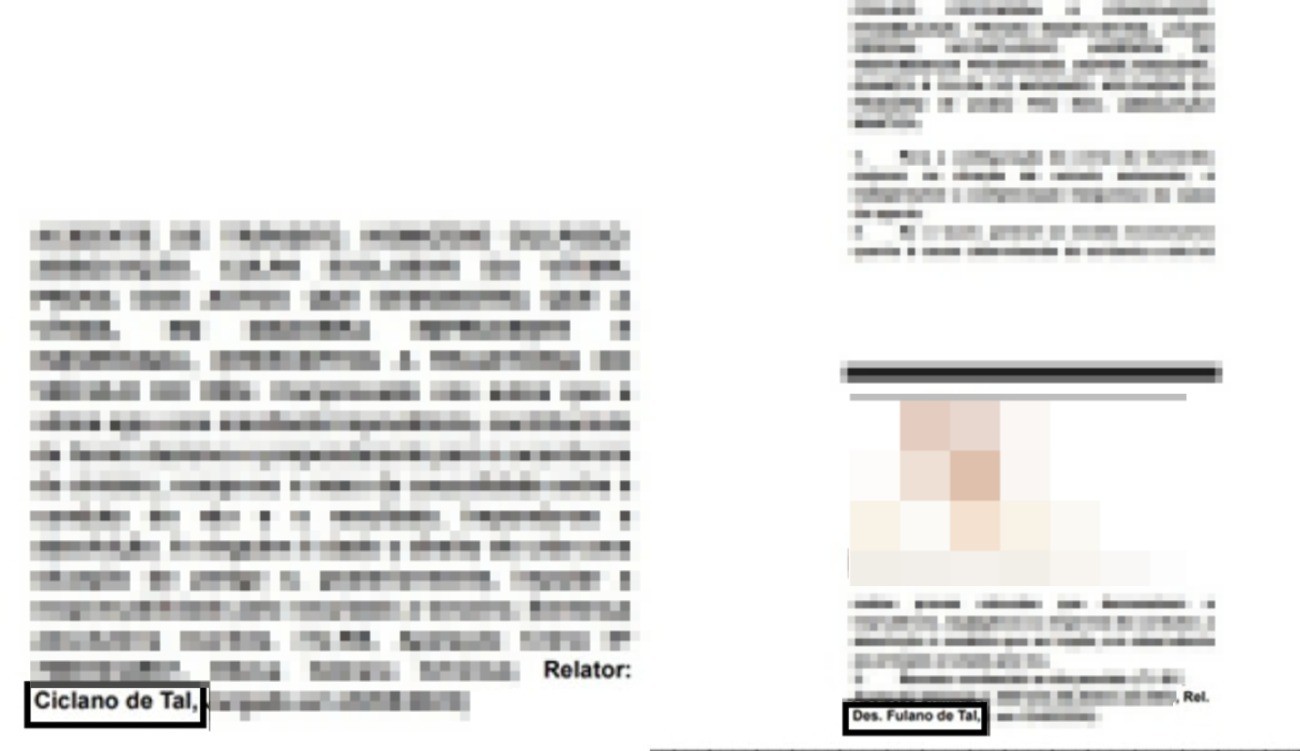
The Santa Catarina Court of Justice (TJSC) denied an appeal filed by a lawyer who referred to judges as "so-and-so" and "what's-his-name" in a legal petition. The lawyer also allegedly used non-existent case law, purportedly generated by artificial intelligence, to argue for his client's acquittal. The incident occurred in a case involving a client accused of causing a fatal traffic accident on June 2, 2026, in Florianópolis, allegedly while under the influence of alcohol. The court's decision to deny the appeal was made on July 28. The Public Prosecutor's Office of Santa Catarina (MPSC) also recommended that the lawyer's conduct be investigated by the Brazilian Bar Association (OAB). The MPSC highlighted that the fabricated legal precedents were presented as "quicksand" arguments, which they stated "shames the honorable institution" and damages the credibility of diligent lawyers. The client, initially arrested, was released on June 16 to respond to charges while at liberty. The court has scheduled the trial for March 16, 2027. The lawyer attributed the use of non-existent case law to a technical error and lack of thorough review, stating the situation has since been corrected. The OAB stated that it had not yet been officially notified but would take appropriate action, ensuring the lawyer's right to defense, once informed.
This case highlights the critical importance of maintaining professional decorum and factual accuracy within the legal system. The alleged use of fabricated case law, potentially generated by AI, alongside disrespectful references to judicial figures, raises significant concerns about the integrity of legal arguments and the potential for undermining public trust in the justice system. Such practices, if proven, could reflect systemic pressures or individual lapses that necessitate robust oversight by professional bodies like the OAB. Moving forward, the legal profession will likely grapple with evolving technological tools and the ethical frameworks required to govern their use, ensuring that innovation serves, rather than subverts, the pursuit of justice and the credibility of legal representation.
AI-generated to prompt reflection — not editorial opinion, not advice, not a statement of fact. How this works.
