Court reveals details of fortune-telling request made by former health minister
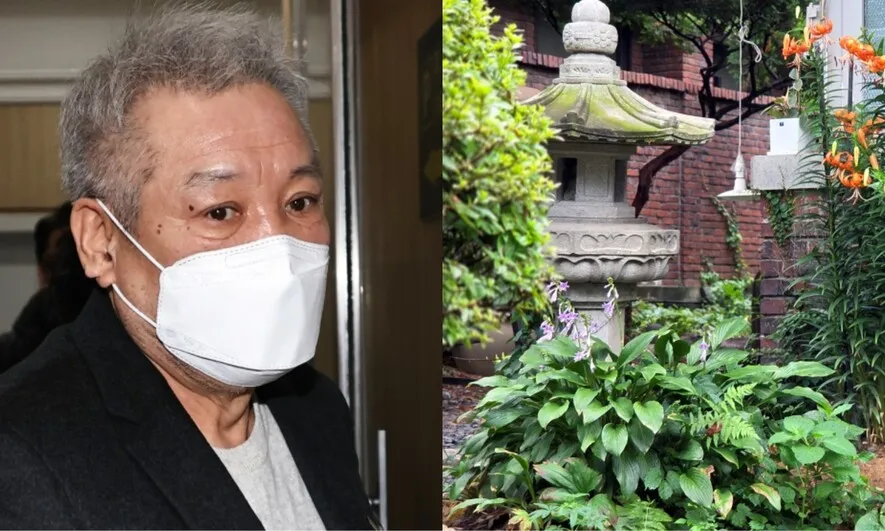
A South Korean court has disclosed specific details surrounding a request made by former Minister of Health and Welfare, Jin Young-soo. During a trial, it was revealed that Jin had asked a fortune teller to divine his future not in front of a Buddha statue, but in front of a portrait of a specific individual. The court did not immediately identify the person whose portrait was used for the divination. The revelation came to light during proceedings where the court sought to establish the full context of Jin's actions and associations. This detail adds a peculiar dimension to the case, raising questions about the motivations and beliefs influencing the former minister's decisions. The court's disclosure aims to provide a comprehensive understanding of the evidence presented in the trial. Further details regarding the nature of the trial and the charges faced by Jin Young-soo are expected to be elaborated upon as the proceedings continue.
The court's disclosure of Jin Young-soo's unusual fortune-telling request highlights the intersection of personal belief systems and public office. While individuals are free to hold personal beliefs, the use of public resources or influence for such private matters can raise questions about judgment and accountability. This situation prompts consideration of the ethical frameworks governing public officials, particularly concerning transparency and the perception of undue influence. In the context of evolving governance standards, such incidents underscore the importance of clear boundaries between personal life and professional duties, especially as AI and data-driven decision-making become more prevalent, demanding objective and verifiable processes.
AI-generated to prompt reflection — not editorial opinion, not advice, not a statement of fact. How this works.