Court Rules Company Discriminatorily Fired Cancer Patient, Orders R$25k Compensation
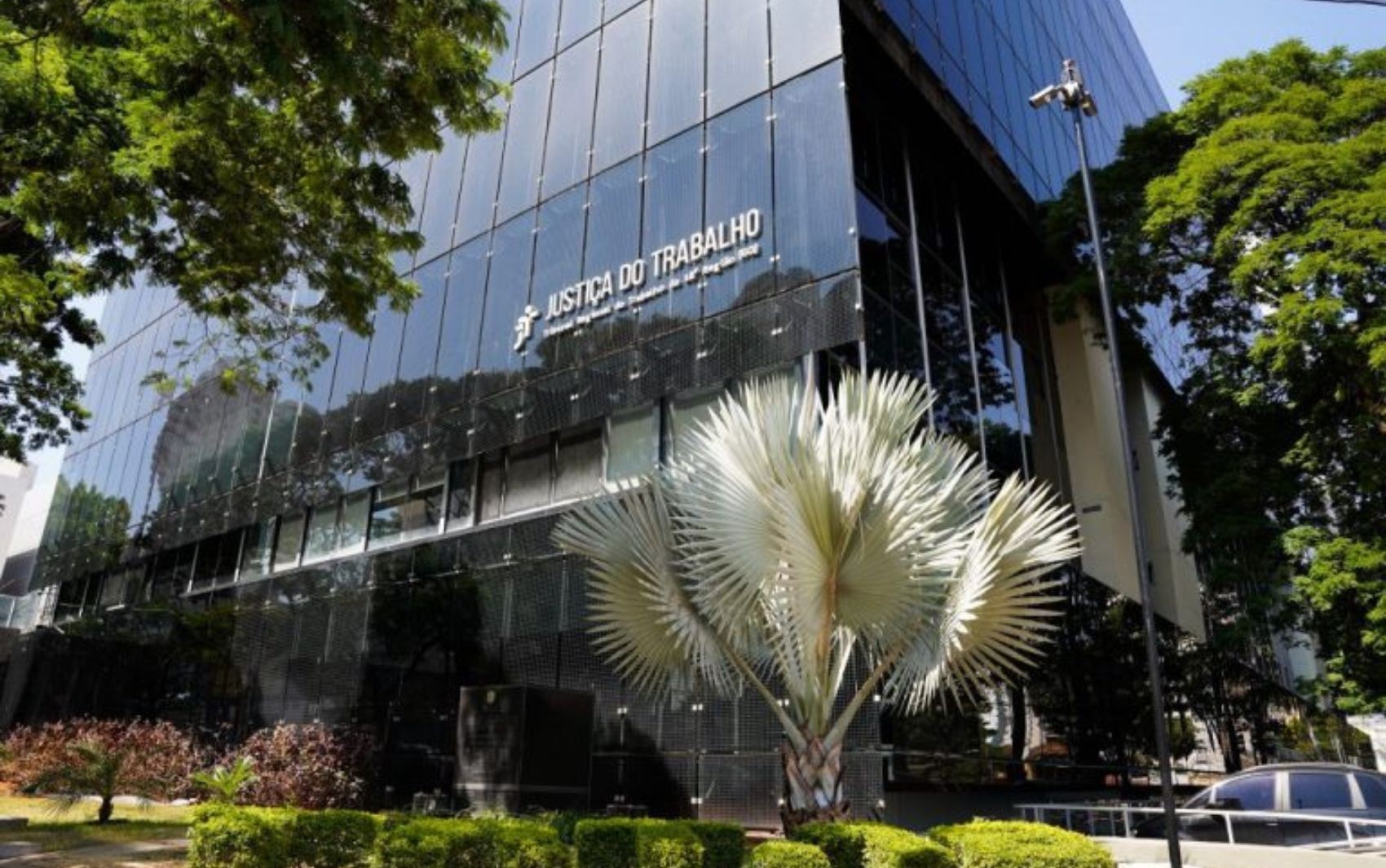
The Regional Labor Court (TRT) of the 18th Region in Goiás has ruled that a company's dismissal of an employee one month after his return from cancer treatment was discriminatory. The court found that the company failed to provide any justification for the termination, beyond its general right to dismiss without cause. This ruling stems from a previous case where the same company was ordered to pay R$25,000 in damages to the driver. The TRT's Second Chamber cited Superior Labor Court (TST) precedent, which presumes dismissals of employees with serious illnesses that carry stigma or prejudice, such as cancer, to be discriminatory. The court emphasized that the stigma associated with cancer extends beyond physical incapacitation during illness, encompassing employer fears of recurrence, future absences, and potential productivity declines. Even with a full recovery and medical clearance, the employee's history of the disease remained a factor in the employer's decision-making. The short interval between the employee's return to work and his dismissal further supported the court's finding of discriminatory intent. The court considered the company's conduct, the educational purpose of the penalty, the company's financial capacity, and the harm caused by depriving the worker of health insurance during his post-treatment period when determining the R$25,000 moral damages award and R$500 in court costs.
This case highlights the legal and ethical challenges employers face when managing employees with serious health conditions. The court's decision underscores the importance of robust, documented, and demonstrably non-discriminatory reasons for termination, particularly when an employee has recently returned from medical leave for a stigmatized illness. The ruling suggests that simply invoking the right to dismiss without cause is insufficient when a clear temporal link exists between the employee's return from treatment and their subsequent dismissal. Future considerations for businesses may include developing clearer policies on managing employee health disclosures and implementing structured return-to-work programs that provide a buffer period, allowing employees to demonstrate their capabilities and mitigating perceived risks for the employer. This approach could help balance the company's operational needs with its legal and ethical obligations to protect vulnerable employees from discrimination.
AI-generated to prompt reflection — not editorial opinion, not advice, not a statement of fact. How this works.