Court ruling for suspect Tetsuya Yamagami sparks pain for religious second-generation individuals
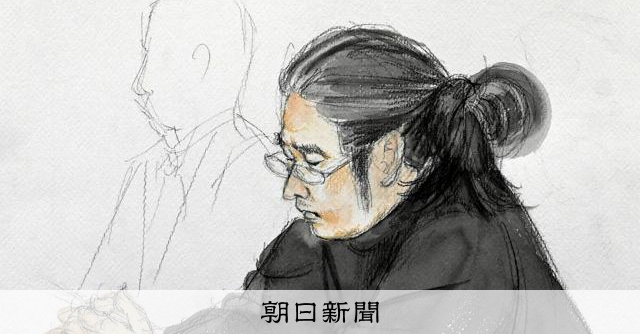
The recent court ruling concerning Tetsuya Yamagami has brought renewed pain to individuals who are second-generation members of religious groups. These individuals feel that the court's reasoning, which suggested Yamagami's actions might have been influenced by his age, is misguided. They argue that being in their 40s, rather than being a mitigating factor, actually exacerbates their suffering and the challenges they face. This perspective highlights the ongoing struggles and deep-seated trauma experienced by those who grew up within high-demand religious organizations. The ruling, and the public discourse surrounding it, has inadvertently amplified their voices and the complexities of their experiences. Many second-generation members have spoken out about the profound psychological and social difficulties they endure, often stemming from their upbringing. The perceived justification based on age by the court has been met with strong disagreement from this community. They believe it fails to acknowledge the systemic issues and long-term consequences of religious indoctrination and control. This sentiment underscores a broader societal need to understand the unique burdens carried by individuals raised in such environments.
The court's consideration of the defendant's age in its sentencing may inadvertently overlook the systemic issues faced by individuals raised in high-demand religious groups. Focusing on an individual's age as a potential mitigating factor risks downplaying the prolonged psychological impact and societal challenges that second-generation members often experience. A more comprehensive approach might consider the long-term effects of group dynamics, coercive control, and the difficulty of reintegration into broader society for those who have spent decades within such environments. Future legal and societal frameworks could benefit from acknowledging these complex intergenerational and systemic factors, rather than solely focusing on individual circumstances that may not fully capture the scope of the harm.
AI-generated to prompt reflection — not editorial opinion, not advice, not a statement of fact. How this works.