Court sentences driver to death for 'rarest of rare' employer murder
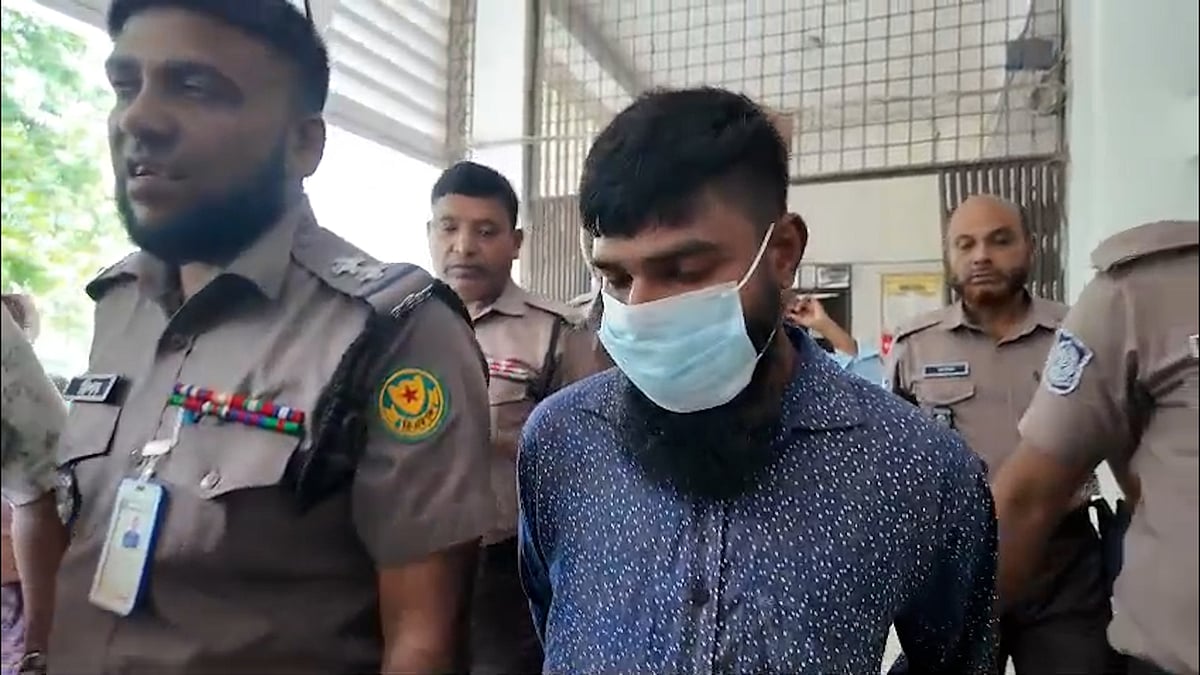
A court has sentenced Mo. Hridoy Bepari, the personal driver of Afroza Sultana, to death for the murder of his employer. Sultana, the homeowner, was killed by having her throat slit. The court deemed this crime to be among the 'rarest of rare' offenses, justifying the severe penalty. Further details regarding the case and the court's reasoning are available in a video report.
The court's classification of this homicide as 'rarest of rare' signifies a judicial determination that the brutality and depravity of the act exceed typical criminal conduct, warranting the death penalty under specific legal frameworks. Such pronouncements often reflect societal values and legislative intent to deter exceptionally heinous crimes. In the context of evolving legal and ethical considerations surrounding capital punishment, this case highlights the ongoing tension between retribution, deterrence, and the potential for irreversible judicial error. Future legal discourse may examine the criteria for 'rarest of rare' classifications and their alignment with international human rights standards, particularly in light of advancements in forensic science and the potential for wrongful convictions.
AI-generated to prompt reflection — not editorial opinion, not advice, not a statement of fact. How this works.