Court Sets First Hearing for Rope Jump Death Accused in Brazil
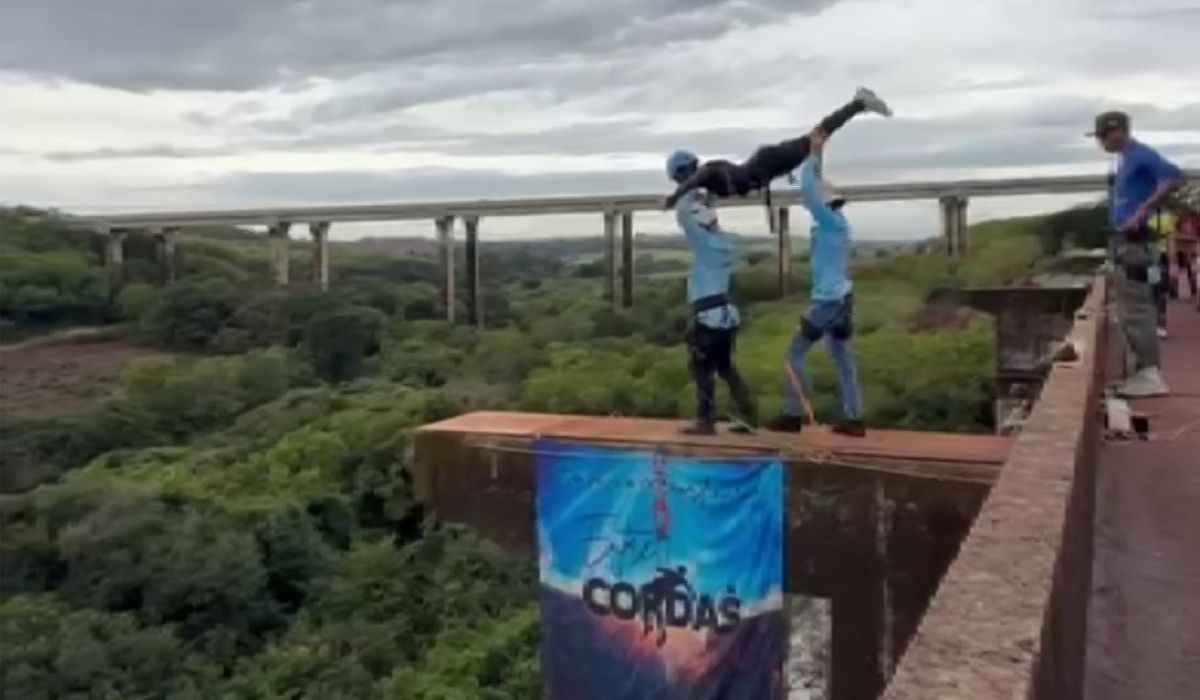
A Brazilian court has scheduled the first hearing for September 2nd concerning the death of Maria Eduarda Rodrigues de Freitas, a young woman who fell to her death during a rope jump on June 13th. The incident occurred between the cities of Limeira and Cordeirópolis in São Paulo state. The hearing will involve testimony from the accused, witnesses, and other involved parties. Following this investigative phase, a judge will determine if the defendants will proceed to a jury trial.
The four defendants, all currently in preventive detention, are identified as instructors Luis Felipe Feliciano Egoroff, Maicon Fernandes Cintra, Vitor de Freitas Gonçalves, and Evelyne dos Santos Gonçalves, who is also described as the event organizer. They are facing criminal charges for qualified intentional homicide, with Evelyne also accused of procedural fraud. Legal experts suggest that if the judge finds evidence of intent or recklessness, a jury trial is likely. The hearing is set for 12:30 PM at the 2nd Criminal Court of Limeira.
The Public Ministry's indictment alleges that the defendants were aware of the activity's risks but failed to take necessary precautions, such as verifying safety rope connections and conducting double-checks of equipment. The prosecution claims the group operated without clear roles, commercially exploited the activity without meeting legal requirements, and prioritized economic interests and social media promotion over participant safety. The defense for Maicon Fernandes and Luis Felipe argues their clients lacked the intent to kill and did not assume the risk, asserting their conduct was negligent rather than intentional. Attorneys for Vitor de Freitas and Evelyne dos Santos did not provide comment.
This case highlights critical safety and regulatory gaps in adventure tourism activities. The prosecution's focus on "homicídio com dolo eventual" (intentional homicide with eventual intent) suggests a legal framework attempting to hold operators accountable for foreseeable risks, even without direct intent to kill. The alleged prioritization of economic gain and social media visibility over safety protocols points to systemic issues within unregulated or under-regulated commercial activities. Moving forward, clearer industry standards, mandatory third-party certifications, and robust enforcement mechanisms will be crucial to mitigate such tragedies and ensure participant safety in high-risk recreational pursuits. The legal proceedings will likely scrutinize the definition of 'recklessness' and the duty of care owed by operators in Brazil's evolving legal landscape.
AI-generated to prompt reflection — not editorial opinion, not advice, not a statement of fact. How this works.