Court Upholds Damages Award Against State Over Blacked-Out Death Row Inmate's Letter
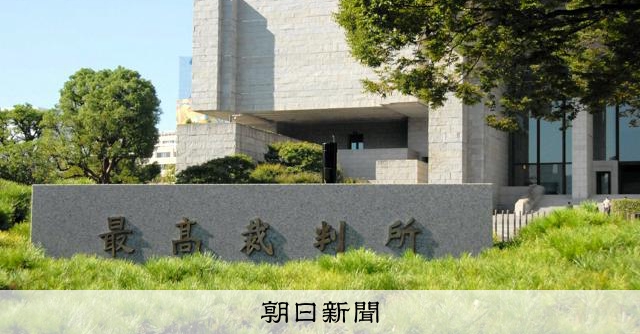
Japan's Supreme Court has finalized a ruling ordering the state to pay damages to a death row inmate. The case stemmed from the Justice Ministry's decision to black out parts of a letter written by the inmate, who was seeking a retrial. The inmate argued that the redaction of his letter, which was intended to be sent to his lawyer, violated his rights. The lower courts had previously ruled in favor of the inmate, finding that the Justice Ministry's actions were unlawful. The Supreme Court's decision upholds these lower court rulings, confirming that the state must compensate the inmate for the improper handling of his correspondence. This verdict sets a precedent regarding the rights of inmates, particularly those on death row, to communicate with their legal counsel without undue interference.
This ruling highlights the critical balance between state administrative control and individual rights within the justice system. The decision underscores the importance of unimpeded communication between legal counsel and their clients, especially in high-stakes cases like capital punishment. Future considerations may involve refining protocols for handling inmate correspondence to ensure transparency and adherence to due process, thereby mitigating potential legal challenges and reinforcing public trust in the fairness of the judicial process. This case prompts reflection on how correctional and judicial authorities manage information flow, balancing security concerns with fundamental legal protections.
AI-generated to prompt reflection — not editorial opinion, not advice, not a statement of fact. How this works.