Court Upholds Dismissal of Ex-Fire Captain Over Trainee's Training Death
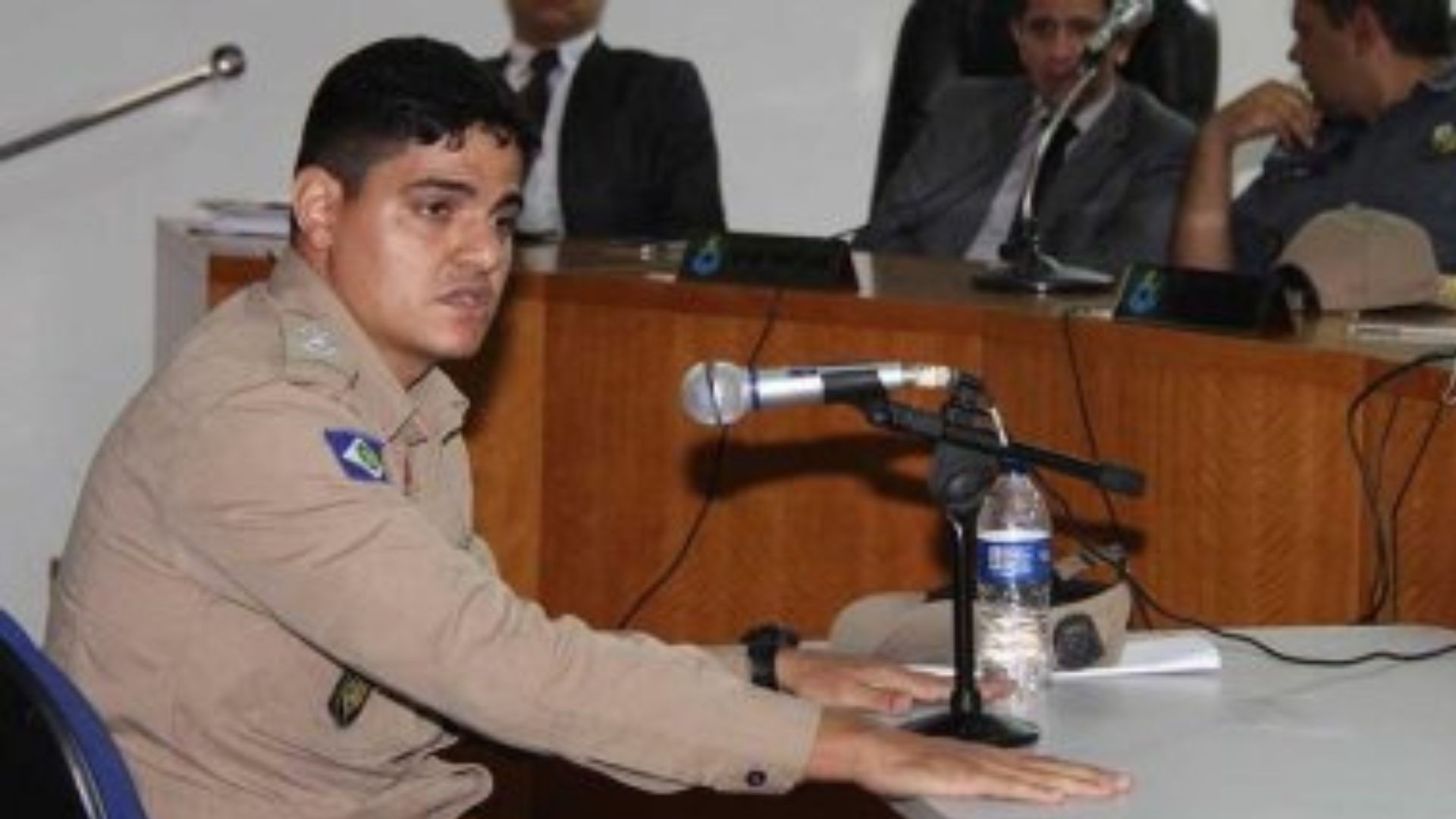
The Court of Justice of Mato Grosso (TJMT) has upheld the dismissal of former Fire Captain Daniel Alves de Moura e Silva, confirming the loss of his military rank and position. This disciplinary action stems from his conduct during a training exercise that resulted in the death of trainee Lucas Veloso Peres. The incident occurred on February 27, 2024, at Lagoa Trevisan in Cuiabá, where Peres drowned during a water rescue training session. Peres, originally from Goiás, was participating in the instruction to become a firefighter when the fatal accident happened. An autopsy confirmed drowning as the cause of death. Despite being rescued from the water and taken to a private hospital, Peres could not be revived. Moura e Silva's defense team had appealed the decision, citing violations of constitutional rights such as due process, the right to a full defense, and adversarial proceedings, and sought to have the case reviewed by the Supreme Federal Court (STF). However, TJMT Vice-President Justice Nilza Maria Pôssas de Carvalho ruled the appeal inadmissible. She cited established STF precedent that decisions regarding the loss of military rank and position are administrative in nature and thus not subject to extraordinary appeal. Consequently, the prior ruling by the TJMT's United Criminal Chambers, which ordered Moura e Silva's removal from the Mato Grosso Military Fire Department, remains in effect.
The judicial decision reinforces the principle of accountability within military and emergency service organizations. It highlights the critical importance of adherence to safety protocols during training, particularly in high-risk environments like water rescue operations. The ruling underscores that leadership responsibilities include ensuring the well-being of trainees, and failures in this regard can have severe professional and legal consequences. This case may prompt a review of training supervision standards and risk management frameworks within similar institutions to prevent future tragedies and ensure that command structures are robust enough to safeguard personnel.
AI-generated to prompt reflection — not editorial opinion, not advice, not a statement of fact. How this works.