Court Upholds Ruling Denying Damages in Viral 'Betrayal Reveal Party' Case
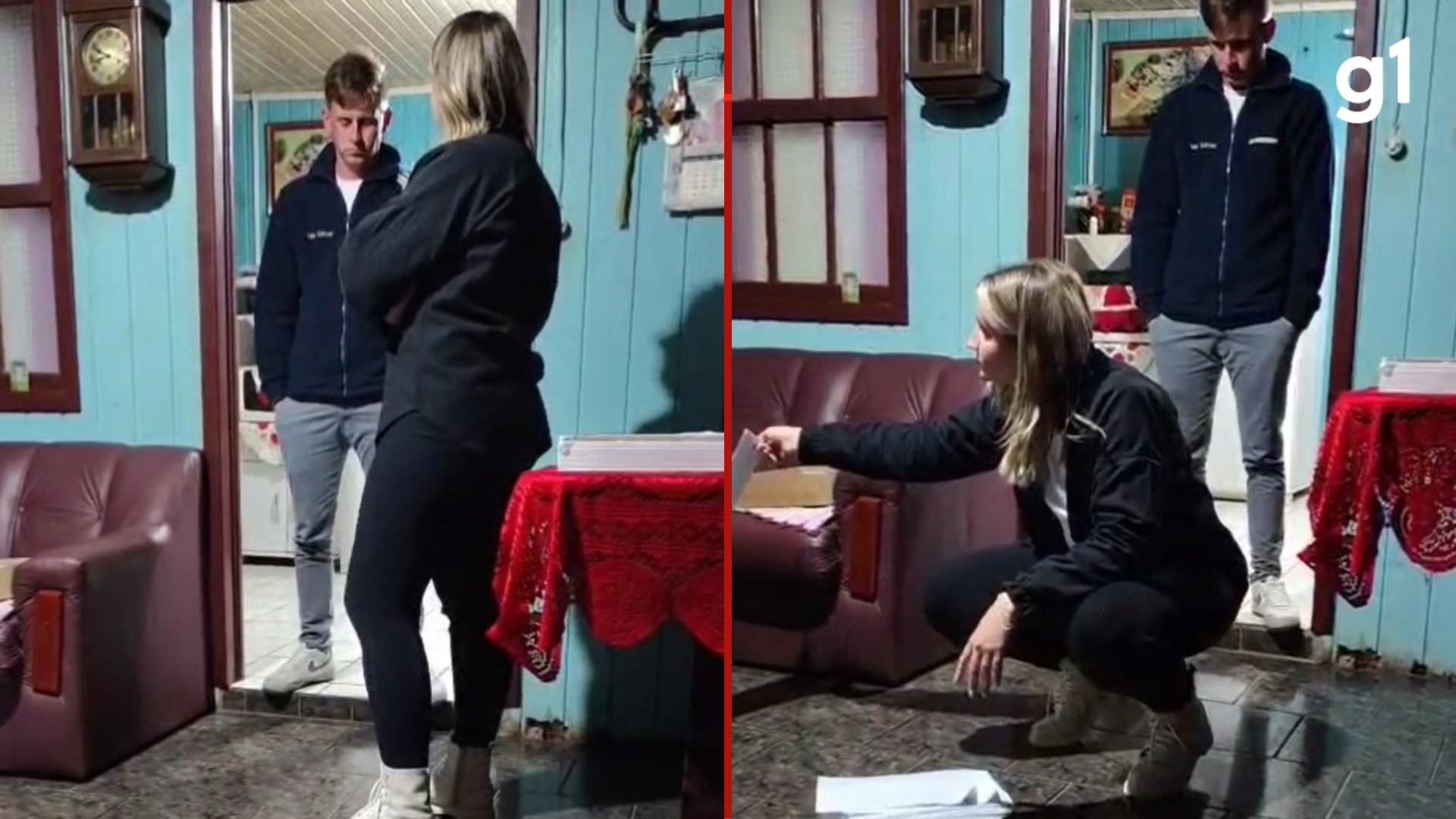
The Court of Justice of Rio Grande do Sul (TJRS) has unanimously upheld a prior decision that denied financial compensation to farmer Rafael Eduardo Schemmer. Schemmer had sued his ex-partner, Natália Knak, and her aunt, who allegedly filmed a viral "betrayal reveal party." The court rejected appeals from Schemmer, who sought R$ 100,000 and the removal of the video from the internet, as well as an appeal from Knak, who was seeking R$ 150,000. A claim for damages by the woman's aunt was also denied. The case's rapporteur, Judge Eugênio Facchini Neto, applied the National Council of Justice's Protocol for Judging with a Gender Perspective. He determined that Natália's actions were not an isolated act of revenge but a response to repeated betrayals by her pregnant partner. Although the TJRS acknowledged the public attention the event received, it concluded that Schemmer failed to prove concrete harm to his honor or professional life. The request to remove the video was denied due to its widespread circulation, rendering such an attempt futile. Regarding Knak's appeal, the judge stated that infidelity alone does not warrant moral damages, emphasizing that "not all pain can be monetized," despite acknowledging the moral reprehensibility and suffering caused by the man's conduct. The incident gained significant attention after the video, filmed in Quinze de Novembro, a small town in Rio Grande do Sul, went viral. The recording took place at Rafael's parents' home, where Natália Knak gathered family to publicly expose her partner's infidelity, stating she discovered "not just one betrayal. I discovered several." The initial decision denying compensation was made in March 2026 by the Judicial Branch of the Ibirubá District.
This case highlights the complex intersection of personal relationships, public exposure via social media, and legal recourse. The court's decision, emphasizing the lack of proven concrete harm and the futility of content removal after viral dissemination, reflects a judicial reluctance to monetize emotional distress arising solely from infidelity or public shaming. The application of a gender perspective by the rapporteur suggests an acknowledgment of the power dynamics and potential motivations behind the "reveal party." However, the ruling also raises questions about the proportionality of online judgment versus legal process, as noted by Schemmer's defense. Moving forward, the increasing ease of digital dissemination means that personal disputes can rapidly escalate into public spectacles, challenging traditional notions of privacy and reputation management. This trend necessitates a societal and legal re-evaluation of how to address harm in the digital age, balancing freedom of expression with protection against undue public exposure and emotional distress.
AI-generated to prompt reflection — not editorial opinion, not advice, not a statement of fact. How this works.