Court Urged to Reject Ramaphosa's Phala Phala Interdict, Citing Parliamentary Domain
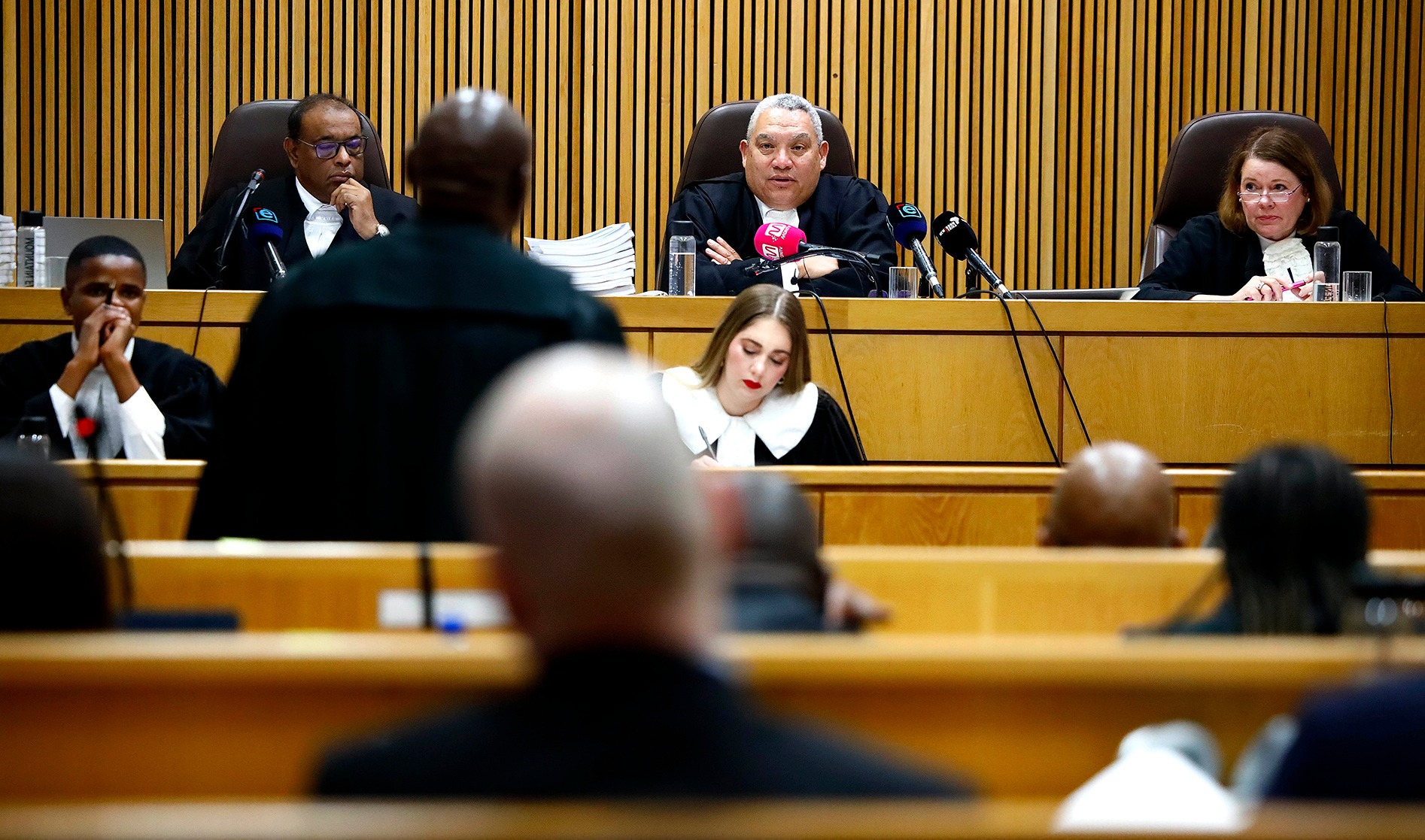
The Western Cape High Court heard arguments that granting President Cyril Ramaphosa an urgent interdict to halt impeachment proceedings against him would constitute an overreach into Parliament's constitutionally designated powers. Parties involved in the case urged the court to reject the President's application, emphasizing that the legislative body should be allowed to conduct its own internal processes without judicial interference. The core of the argument presented in court revolved around the separation of powers between the judiciary and the legislature. It was contended that the court should "stay in its lane" and respect Parliament's authority to investigate and potentially impeach the President based on the findings related to the Phala Phala farm matter. The proceedings highlighted the tension between executive and legislative branches of government when facing accountability measures.
The legal challenge to Parliament's impeachment process raises fundamental questions about judicial restraint and the separation of powers. Courts must balance the executive's right to due process against the legislature's constitutional mandate for oversight. The outcome could set a precedent for future instances where the judiciary is asked to intervene in parliamentary proceedings, potentially shaping the dynamics of accountability mechanisms in South Africa. This case underscores the ongoing evolution of governance structures in response to allegations of misconduct, particularly in the context of emerging global norms around transparency and accountability for public officials.
AI-generated to prompt reflection — not editorial opinion, not advice, not a statement of fact. How this works.