Coyotes Take Up Residence at Los Angeles Condo Construction Site
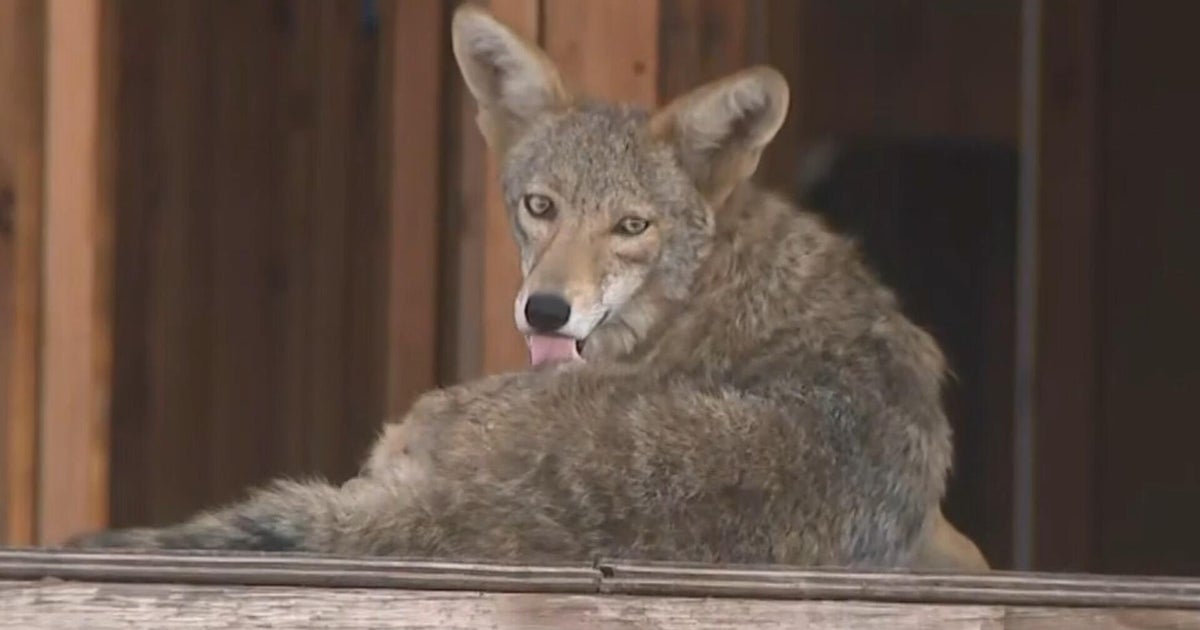
A pack of coyotes has established a den at a residential construction site in West Hollywood, a suburb of Los Angeles. Developers began building on the site years ago, and the presence of the wild animals was an unexpected consequence. Neighbors have playfully dubbed the location the "coyote condos." The news highlights the ongoing interaction between urban development and wildlife in Southern California. As human populations expand, wild animals are increasingly forced to adapt to new environments, sometimes finding refuge in unexpected places like construction zones. This situation raises questions about wildlife management in densely populated urban areas and the challenges of balancing development with ecological considerations. The coyotes' ability to adapt to this human-dominated landscape is a testament to their resilience.
The "coyote condos" scenario illustrates a common challenge in urban planning: the encroachment of human development into natural habitats. This situation prompts reflection on how infrastructure projects can be designed to mitigate wildlife displacement. Examining the incentive structures for developers and local authorities might reveal opportunities to integrate ecological considerations more effectively into the planning process. Over the next decade, as urbanization intensifies and AI-driven urban design tools become more sophisticated, there will be a greater capacity to anticipate and manage such human-wildlife coexistence challenges, potentially leading to more sustainable urban ecosystems.
AI-generated to prompt reflection — not editorial opinion, not advice, not a statement of fact. How this works.