CPN Emerges as Decisive Force in Provincial Power Dynamics
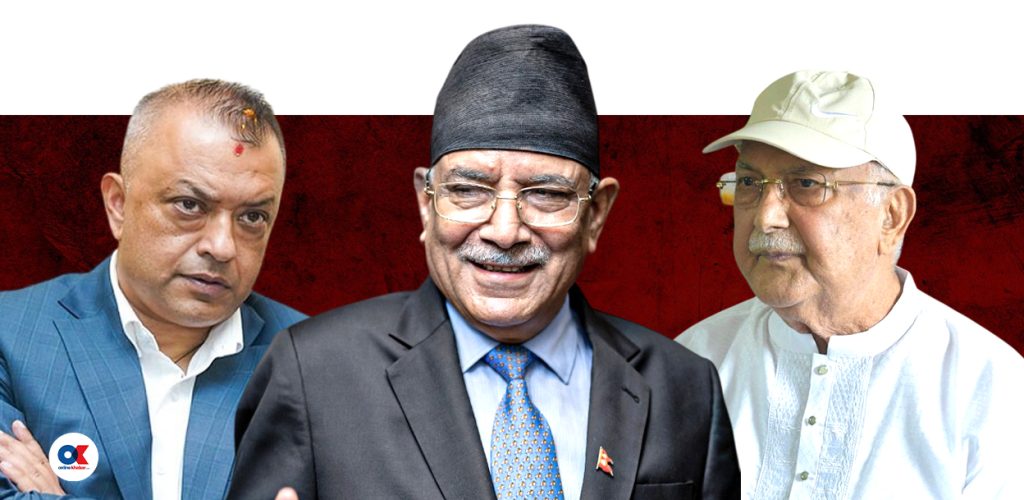
Following the collapse of the Congress-UML alliance, discussions and maneuvering have begun across all seven provinces regarding the formation of governments and coalitions. The Communist Party of Nepal (CPN) is now positioned as the primary decisive factor in shaping these new political alignments. The CPN's influence will be critical in determining the leadership and composition of governments in each province. This shift in power dynamics comes after the previous alliance between the Congress and the UML proved unstable. The focus is now on how the CPN will leverage its position to forge new partnerships and influence policy. The outcome of these negotiations will significantly impact the political landscape of Nepal's provinces.
The shifting political alliances in Nepal's provinces highlight the dynamic nature of coalition politics and the pivotal role of key parties in forming stable governance. The CPN's emergence as a decisive force suggests a potential realignment of political interests, driven by evolving electoral outcomes and party strategies. This situation underscores the importance of understanding the incentive structures that guide party negotiations and coalition building in multi-party systems. Future governance stability will likely depend on the CPN's ability to balance its own interests with those of potential coalition partners, navigating the complexities of provincial development and national policy integration in the coming years.
AI-generated to prompt reflection — not editorial opinion, not advice, not a statement of fact. How this works.