CPN-UML Protests Suspicious Vehicles Outside Media Offices
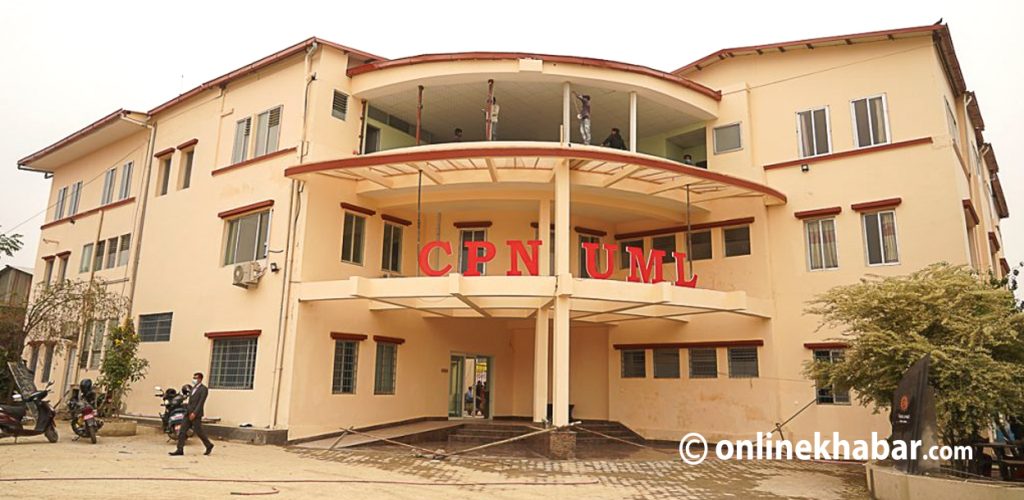
The Communist Party of Nepal (Unified Marxist-Leninist) has expressed strong objections to suspicious vehicles being parked in front of the offices of several prominent media outlets. The party specifically cited concerns regarding vehicles placed near the premises of Online Khabar, Himalaya Television, and Kantipur. The CPN-UML's statement highlights a growing unease within the political landscape regarding potential surveillance or intimidation tactics targeting the press. This action by the party underscores the sensitive relationship between political entities and media organizations in Nepal. The placement of these vehicles has been interpreted by the party as a deliberate act aimed at creating a chilling effect on journalistic freedom. The CPN-UML is calling for an immediate investigation into the matter to ensure the safety and independence of media operations. The party's stance emphasizes the importance of a free and unfettered press in a democratic society. This incident raises questions about the methods being employed to influence or monitor media activities. The CPN-UML's objection serves as a warning against any attempts to stifle dissent or critical reporting.
The reported incident highlights a potential tension between political actors and the media in Nepal, raising questions about the methods used to influence or monitor journalistic activities. The placement of "suspicious vehicles" near media offices, as described by the CPN-UML, could be interpreted as an attempt to exert pressure or signal surveillance, potentially impacting the independence and freedom of reporting. This situation invites scrutiny into the incentives driving such actions, considering the critical role of a free press in a democratic society. Examining the broader context of media-state relations and governance structures in Nepal is crucial for understanding the implications of these events. The long-term impact on public discourse and the ability of citizens to access unbiased information warrants careful consideration, particularly in an era where information control can significantly shape public opinion and political outcomes.
AI-generated to prompt reflection — not editorial opinion, not advice, not a statement of fact. How this works.