CPN-UML Reduced Poverty Caused by Feudalism, Says General Secretary Shankar Pokharel
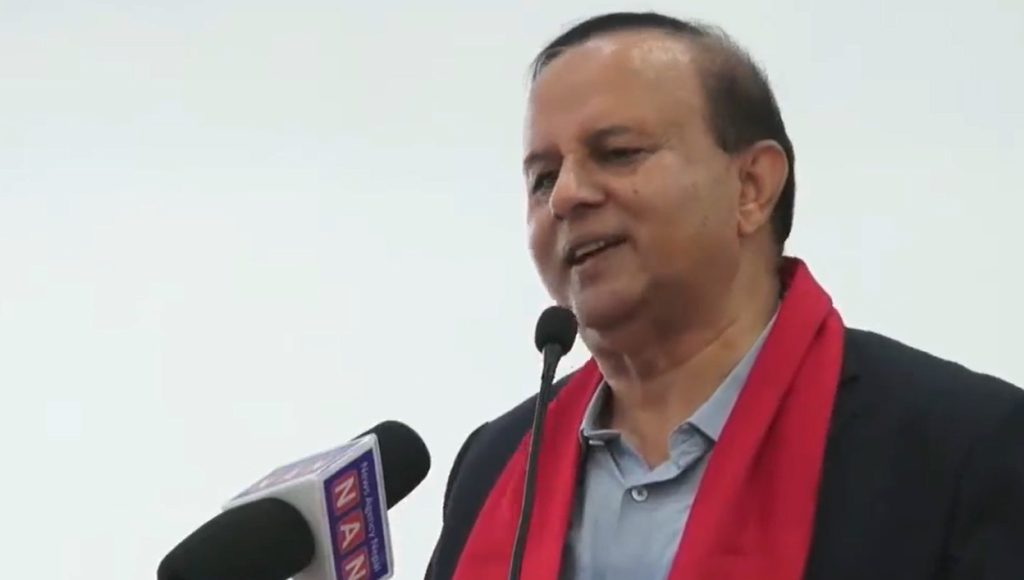
Shankar Pokharel, General Secretary of the Communist Party of Nepal (Unified Marxist-Leninist) or CPN-UML, has stated that his party has been instrumental in reducing poverty that originated from feudalism. He asserted that the CPN-UML has actively worked to alleviate the economic hardships stemming from the historical feudal system. Pokharel's remarks highlight the party's perspective on its role in addressing socio-economic inequalities. The statement implies a direct link between the party's policies and the reduction of poverty attributed to the feudal past. This claim positions the CPN-UML as a key player in Nepal's development narrative, focusing on overcoming historical disadvantages.
This statement frames the CPN-UML's governance as a direct countermeasure to historical feudalism's economic impacts. From a systems perspective, political parties often attribute positive socio-economic changes to their leadership, particularly when addressing persistent issues like poverty. Evaluating such claims requires examining the specific policy interventions implemented during the party's tenure and their measurable effects on poverty reduction, independent of ideological framing. The long-term challenge involves disentangling the influence of political leadership from broader economic trends, technological advancements, and global market forces that also shape national prosperity over a decade or more.
AI-generated to prompt reflection — not editorial opinion, not advice, not a statement of fact. How this works.