CPN-UML's Alliance: Tactical or Strategic?
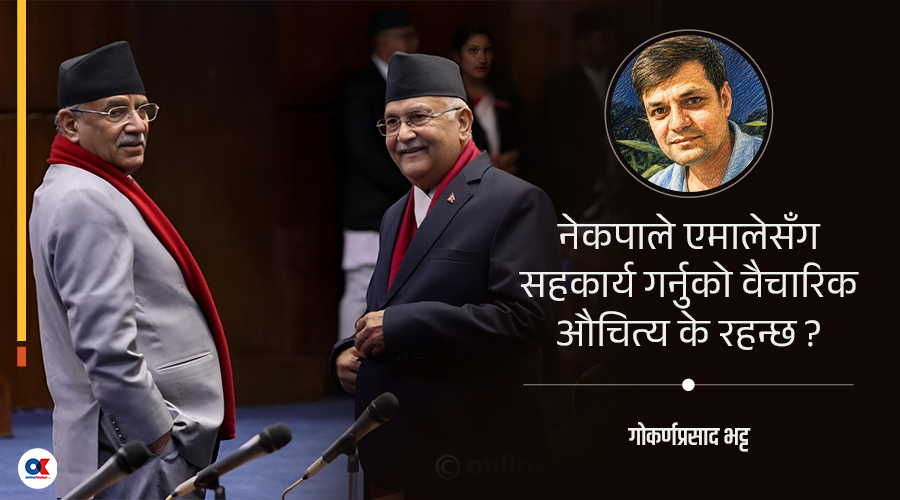
The article questions the nature of the Communist Party of Nepal (Unified Marxist-Leninist) or CPN-UML's alliance. If the sole purpose of this collaboration is to resolve the current political crisis and form provincial governments, it does not represent a qualitative difference compared to a potential alliance with the Nepali Congress. The distinction between a tactical move, aimed at short-term political gains, and a strategic partnership, designed for long-term objectives, is crucial for understanding the implications of the CPN-UML's political maneuvering. The current political landscape in Nepal is characterized by complex power dynamics and shifting alliances, making it imperative to analyze the underlying motivations behind such partnerships. The effectiveness and longevity of any alliance will depend on its ability to address fundamental political and governance challenges beyond immediate power-sharing arrangements.
The CPN-UML's alliance strategy warrants examination through the lens of political incentives and long-term governance stability. If the partnership is primarily tactical, focused on immediate power acquisition and crisis resolution, it may perpetuate a cycle of short-sighted political maneuvering rather than fostering systemic reform. A strategic alliance, conversely, would imply a commitment to shared ideological goals and a vision for national development, potentially leading to more durable policy outcomes. Evaluating the CPN-UML's decision in this context can illuminate whether the party is prioritizing immediate political expediency or laying the groundwork for sustained national progress, considering the evolving geopolitical and economic landscape of the next decade.
AI-generated to prompt reflection — not editorial opinion, not advice, not a statement of fact. How this works.