CPTM Resumes Control of Trivia Trens Lines for 90 Days Amidst Service Failures
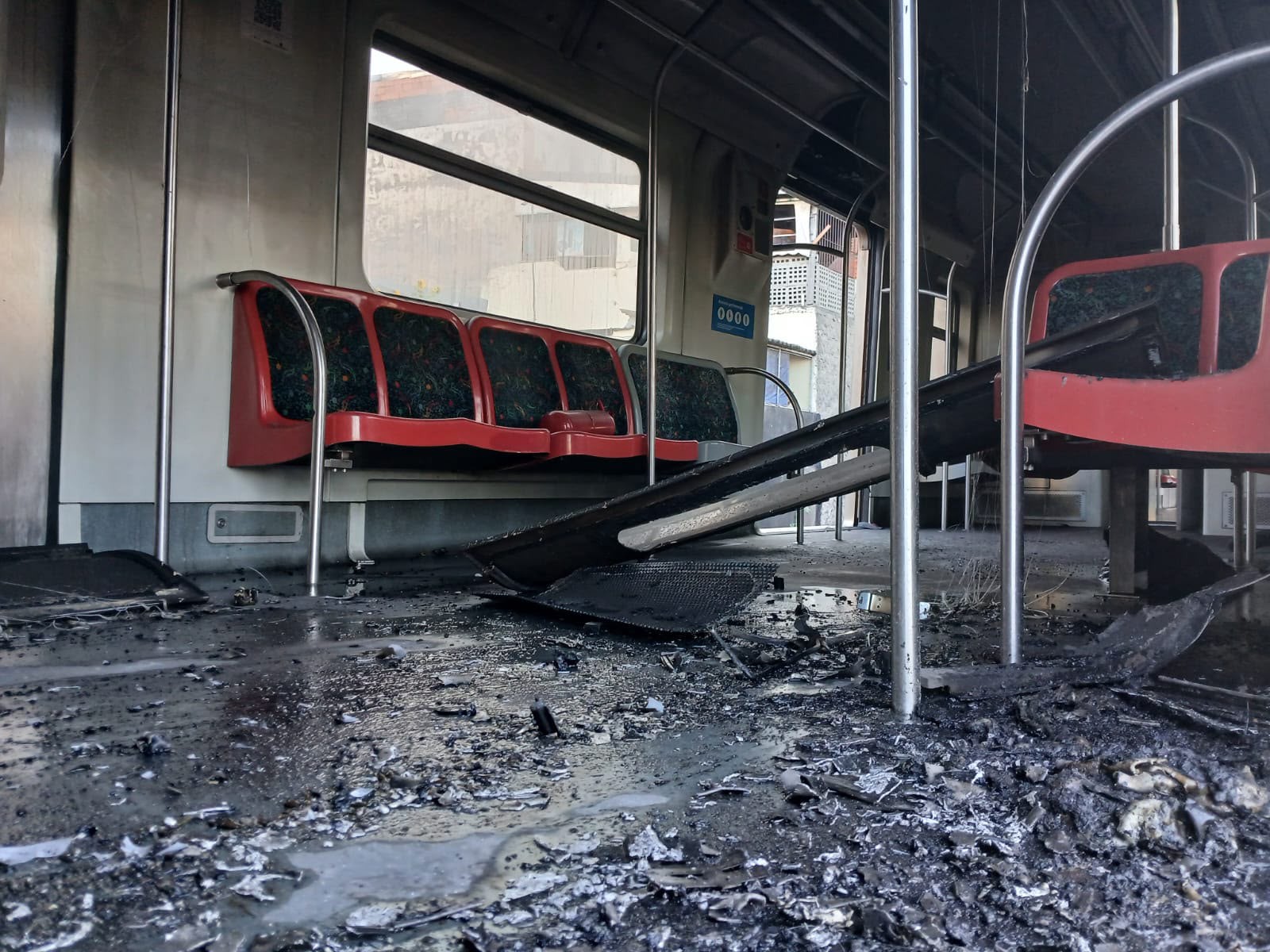
The São Paulo state government, through the Paulista Metropolitan Trains Company (CPTM) and the State Transport Regulatory Agency (Artesp), is resuming operation of train lines 11-Coral, 12-Safira, and 13-Jade for 90 days, effective Friday, March 24th. This decision follows severe service disruptions and a train explosion on Line 12-Safira just three days after the concessionaire, Trivia Trens, took over operations. Artesp Director-President André Isper deemed the recent failures "unacceptable" and "very bad" for citizens, emphasizing the need for immediate action to ensure service continuity and quality. This marks the first instance of the state government retaking lines previously transferred to private management. Artesp will define the operational framework for CPTM's involvement, leveraging the company's technical expertise and operational structure. The agency also announced a formal investigation into the causes of the incidents and will determine Trivia Trens' responsibility, with potential contractual penalties. Governor Tarcísio de Freitas stated that Trivia Trens could lose its concession if contract obligations are not met, vowing to "not hesitate" to terminate the agreement if necessary. Trivia Trens, part of the Comporte Participações group, cited its preparation with over 2,300 employees and intensive training, acknowledging historical structural issues within the system while maintaining dialogue with public authorities. The concession, awarded in March of the previous year, includes a commitment to invest R$ 14.3 billion over 25 years to improve the lines, which collectively serve nearly one million passengers daily.
The rapid reassumption of train lines by CPTM highlights potential misalignments between the state's infrastructure management objectives and the operational capabilities of newly privatized entities. The incident underscores the critical need for robust transition protocols and performance guarantees within concession agreements, particularly for essential public services. Future contract designs might benefit from extended, more rigorously monitored "assisted operation" phases, coupled with clearer performance metrics and immediate penalty structures for service failures. This event prompts consideration of the balance between private sector efficiency gains and the state's ultimate responsibility for public transportation reliability, especially in a rapidly urbanizing environment facing increasing mobility demands.
AI-generated to prompt reflection — not editorial opinion, not advice, not a statement of fact. How this works.