CPTM Stations Offer Free Measles Vaccinations Starting Monday
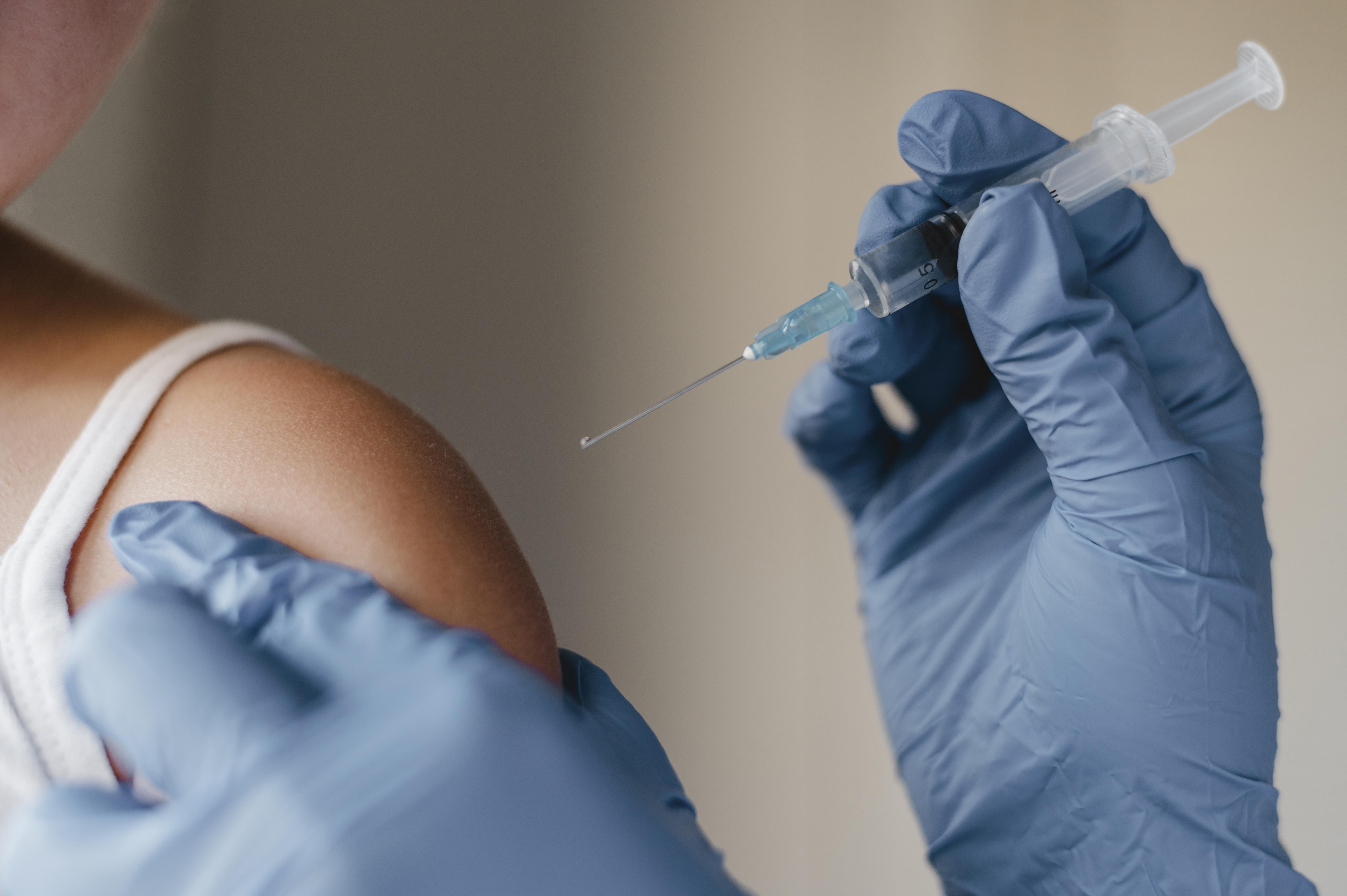
Four CPTM (Companhia Paulista de Trens Metropolitanos) train stations will offer free measles vaccinations starting Monday, June 6th. The initiative, a collaboration with the Municipal Health Secretariat, targets individuals aged 6 months to 59 years who are unvaccinated or have an incomplete vaccination schedule. To receive the vaccine, participants only need to present an identification document. Vaccinations will be administered from 9 AM to 4 PM at Comendador Ermelino, Itaim Paulista, and São Miguel Paulista stations on Line 12-Safira, and at Guaianases station on Line 11-Coral. The campaign includes specific dates throughout June and July, including June 6th, June 8th, July 13th, July 15th, July 17th, and July 20th. This action comes amid intensified prevention efforts following the confirmation of new measles cases in São Paulo state. The state government confirmed two additional measles cases on June 30th in São Paulo city, bringing the total to seven cases in 2026 and two in 2025. The affected individuals, a 20-year-old woman and a 6-month-old child, both lacked vaccination records. Three other cases involving infants were previously confirmed in the capital. The state health department recommends a "zero dose" of the triple viral vaccine for infants aged 6 months to 11 months and 29 days in São Paulo and Guarulhos, as an additional protection measure. Current measles vaccination coverage in the state is 85.32% for the first dose and 72.06% for the second dose.
This public health initiative addresses a critical need for increased measles vaccination coverage, particularly in response to recent case confirmations. The strategy of utilizing public transit hubs like CPTM stations aims to enhance accessibility and reach a broader demographic, acknowledging that convenience is a significant factor in healthcare adherence. The program's focus on specific age groups and the emphasis on completing vaccination schedules highlight the ongoing challenge of maintaining herd immunity. As infectious diseases continue to pose risks, particularly with global travel and population density, such proactive, community-based vaccination campaigns are essential. Future public health strategies may benefit from further integrating vaccination services into daily routines and leveraging data analytics to identify and target areas with the lowest coverage rates proactively, thereby minimizing the potential for outbreaks.
AI-generated to prompt reflection — not editorial opinion, not advice, not a statement of fact. How this works.