CPTM Train Strike Disrupts Alto Tietê Commutes, Causing Delays and Reroutes
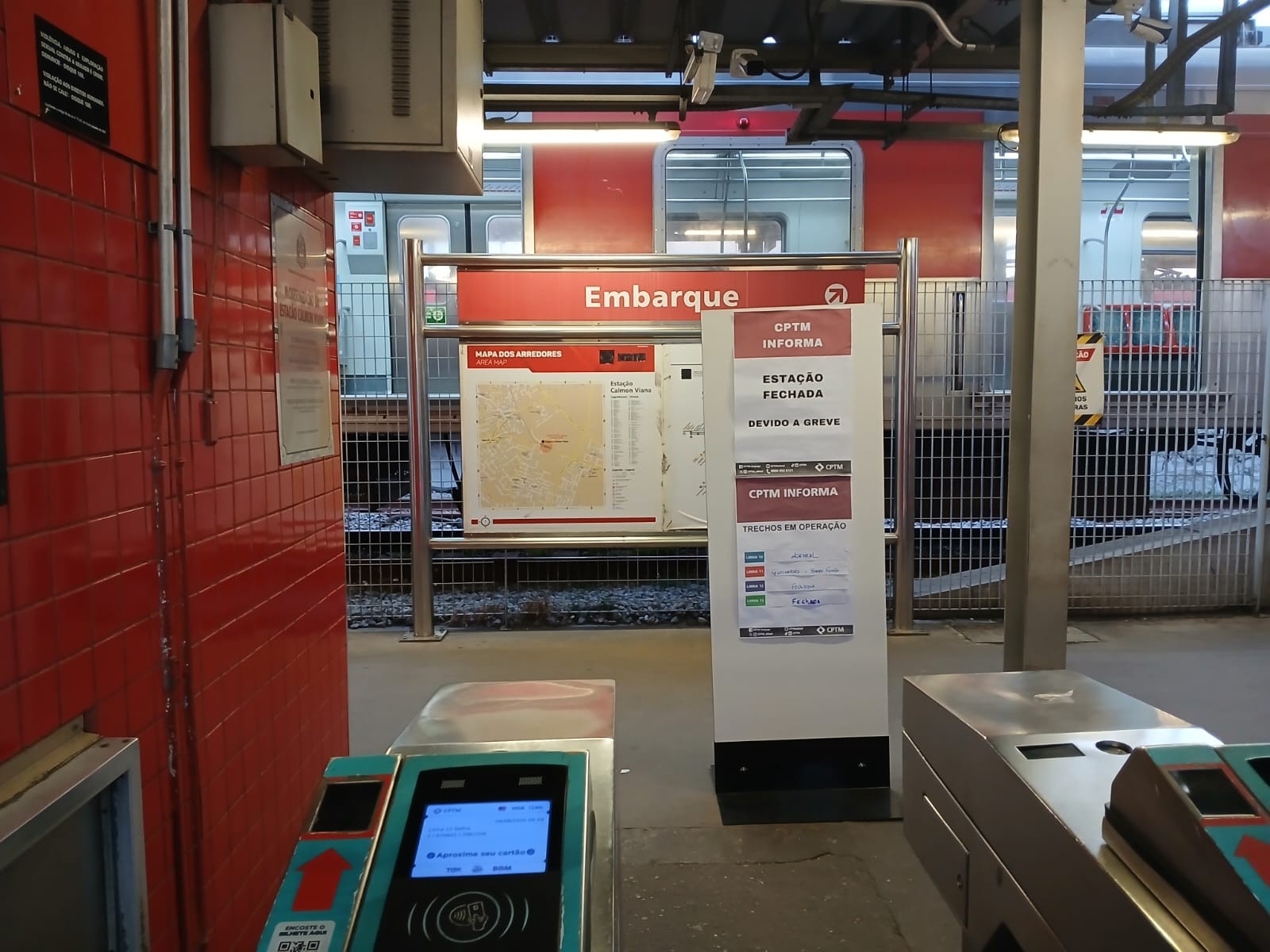
A strike by employees of the Companhia Paulista de Trens Metropolitanos (CPTM) began at midnight on Tuesday, April 4th, significantly impacting passengers on lines 11-Coral and 12-Safira, which serve the Alto Tietê region. Commuters faced long queues for replacement buses provided by the Paese emergency support plan and had to find alternative routes to reach their workplaces. Passengers like Vinicius reported needing to take Paese buses to Itaquera and then find further transport, noting the difficulty for those traveling further into São Paulo. Another passenger, Lucas, expressed disappointment at the lack of immediate solutions upon arriving at the station, forcing him to seek alternative transport to Guaianases to continue his journey to Tatuapé. In Ferraz de Vasconcelos, extensive queues for Paese buses and intercity services were observed, while the Estudantes station in Mogi das Cruzes saw smaller crowds with Paese buses departing approximately every 10 minutes to the capital. The strike affects lines 11-Coral, 12-Safira, 13-Jade, and the Airport Express, all of which were recently returned to CPTM operation after the departure of the concessionaire Trivia Trens. CPTM has implemented a contingency plan and obtained a court order from the Regional Labor Court (TRT) mandating 80% staffing during peak hours and 60% during off-peak periods, with a daily fine of R$400,000 for non-compliance. The strike was decided upon in an assembly on Monday, April 3rd, by the Union of Railway Workers of the Central Zone of Brazil, protesting the privatization of the lines and advocating for job security.
The CPTM strike highlights the ongoing tension between public service provision and privatization initiatives in Brazil's urban transit sector. The workers' protest, centered on job security and opposition to privatization, reflects broader concerns about the potential impact of private concessions on service quality, accessibility, and employment stability. The court-mandated minimum service levels demonstrate the delicate balance authorities attempt to strike between allowing labor rights and ensuring essential public services continue. Looking ahead, the sustainability of public transport systems will likely depend on innovative governance models that can integrate worker welfare, operational efficiency, and the public's need for reliable and affordable transit, especially as metropolitan areas continue to grow and demand increases.
AI-generated to prompt reflection — not editorial opinion, not advice, not a statement of fact. How this works.
