CPTM train travels with door open after passenger triggers emergency button in São Paulo
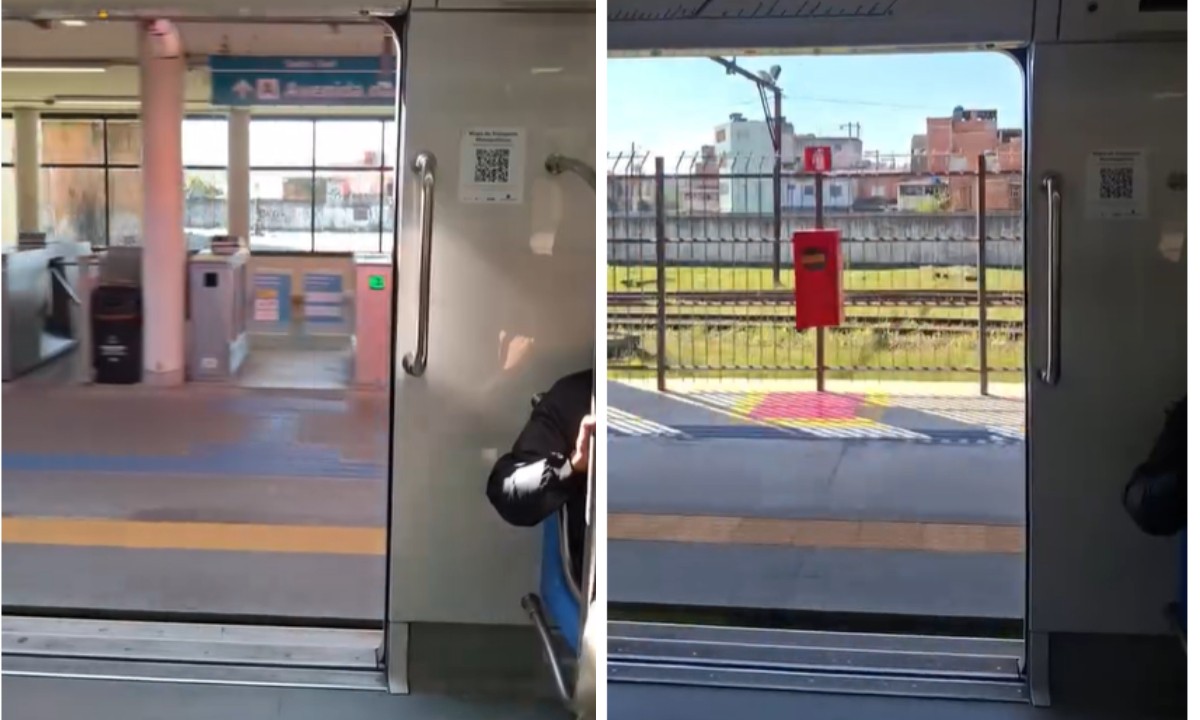
A train on Line 10-Turquesa operated by Companhia Paulista de Trens Metropolitanos (CPTM) traveled with one of its doors open on Wednesday afternoon, May 15th. The incident occurred between the São Caetano do Sul and Prefeito Saladino stations in the ABC Paulista region. According to CPTM, the issue began when a passenger improperly activated the emergency button at the São Caetano station. At this station, train doors open on both sides for passenger boarding and alighting. CPTM stated that after the emergency button was pressed, the system failed to send a door-open alert to the train operator's cabin. Consequently, the train proceeded towards Rio Grande da Serra with a door ajar. The problem was only recognized upon arrival at the Prefeito Saladino station, where the operator manually secured the door. The train had been operating between São Caetano do Sul and Utinga before the situation was identified. CPTM is reviewing security camera footage to identify the passenger responsible for activating the emergency button and plans to file a police report. The company has also launched a technical investigation through its internal commission to determine if there was a human error or equipment malfunction, irrespective of the external interference. As of the latest update, CPTM had not reported any injuries to passengers or disruptions to the Line 10-Turquesa service.
This incident highlights a critical vulnerability in public transportation safety systems where passenger interference can bypass standard operational protocols. The system's failure to alert the operator to an open door, even after an emergency button was pressed, suggests a potential flaw in the alert mechanism or its integration with the door control system. Investigations into whether this was a human or equipment error are crucial for identifying systemic weaknesses. The immediate response of seeking to identify the passenger and file a report addresses accountability, but a deeper analysis should focus on the system's resilience against such events and the adequacy of its fail-safes. Future considerations should include enhanced sensor redundancy, more robust alert protocols for manual interventions, and potentially passenger education campaigns on the proper use of emergency equipment to prevent future occurrences and ensure operational integrity.
AI-generated to prompt reflection — not editorial opinion, not advice, not a statement of fact. How this works.