Crab Grows Trapped in Plastic Bottle for Two Months, Highlighting Pollution's Hidden Impact
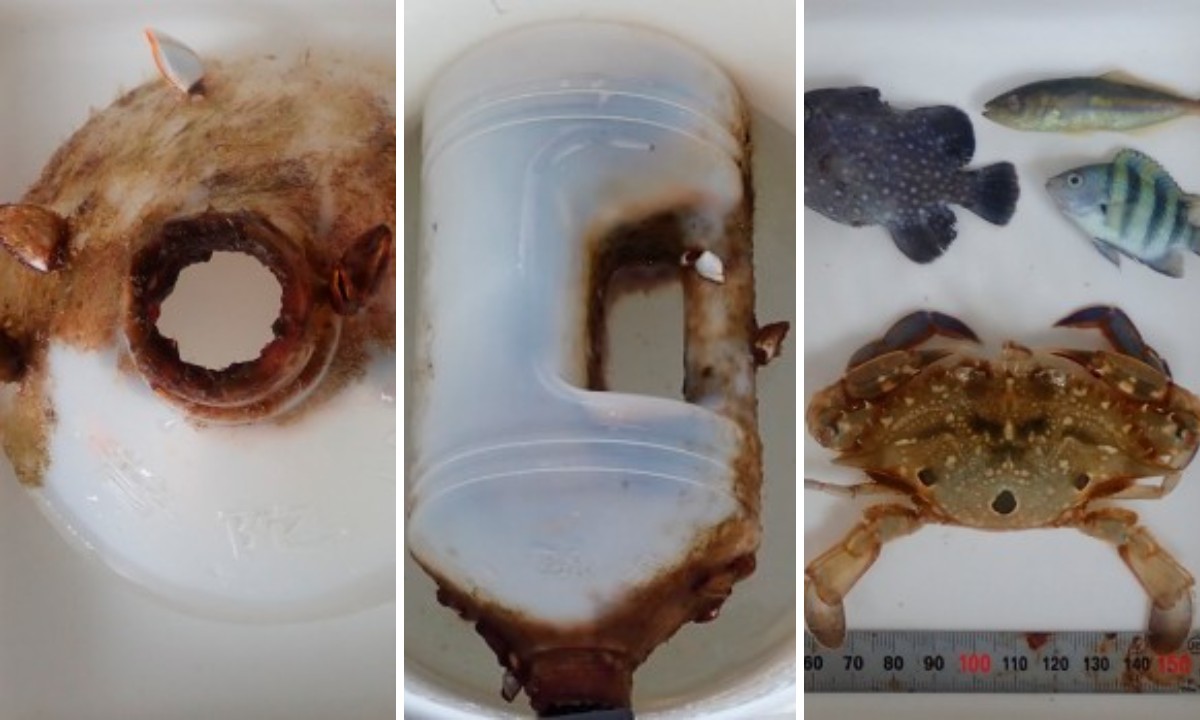
A study by Hiroshima University researchers in Japan has revealed a little-known consequence of marine plastic pollution after a large swimming crab was found alive inside a plastic bottle, trapped for approximately two months. The crab, discovered during an expedition near Okinawa in July 2022, had grown significantly larger than the bottle's opening, indicating it entered the bottle as a juvenile. Researchers used DNA metabarcoding of stomach contents to determine the crab survived by consuming small fish and algae that entered the bottle. The analysis showed the crab was well-nourished and its reproductive organs were developing, suggesting normal growth despite confinement. To estimate the time the bottle was adrift, scientists analyzed the growth rate of barnacles attached to the exterior, concluding the bottle had been floating for about 62 days, a timeframe consistent with the crab's growth rate. The findings, published in the journal Ecosphere in April 2026, suggest that floating plastic debris can act as permanent traps for small crustaceans, an impact often overlooked compared to more visible issues like ingestion or entanglement of larger marine animals. While the crab survived and grew, its reproductive success was severely limited as it could not return to its natural environment. The study highlights that HDPE plastic bottles can persist for decades, increasing the likelihood of similar incidents and emphasizing the need for greater attention to the effects of plastic pollution on smaller marine organisms.
This case illustrates how seemingly innocuous plastic waste can create unintended ecological traps, particularly for smaller marine organisms that receive less research attention. The crab's survival within the bottle, while remarkable, underscores a tragic irony: its resilience in confinement came at the cost of its natural life cycle and reproductive potential, effectively nullifying its ecological contribution. This phenomenon highlights a systemic challenge in waste management and marine conservation, where the long-term persistence of plastic debris creates ongoing risks. Future efforts may need to focus on understanding and mitigating these 'hidden' impacts on less charismatic species, alongside addressing broader pollution concerns, to foster more holistic ecosystem health.
AI-generated to prompt reflection — not editorial opinion, not advice, not a statement of fact. How this works.