Crack sales near public school in Ceilândia, DF, caught on video
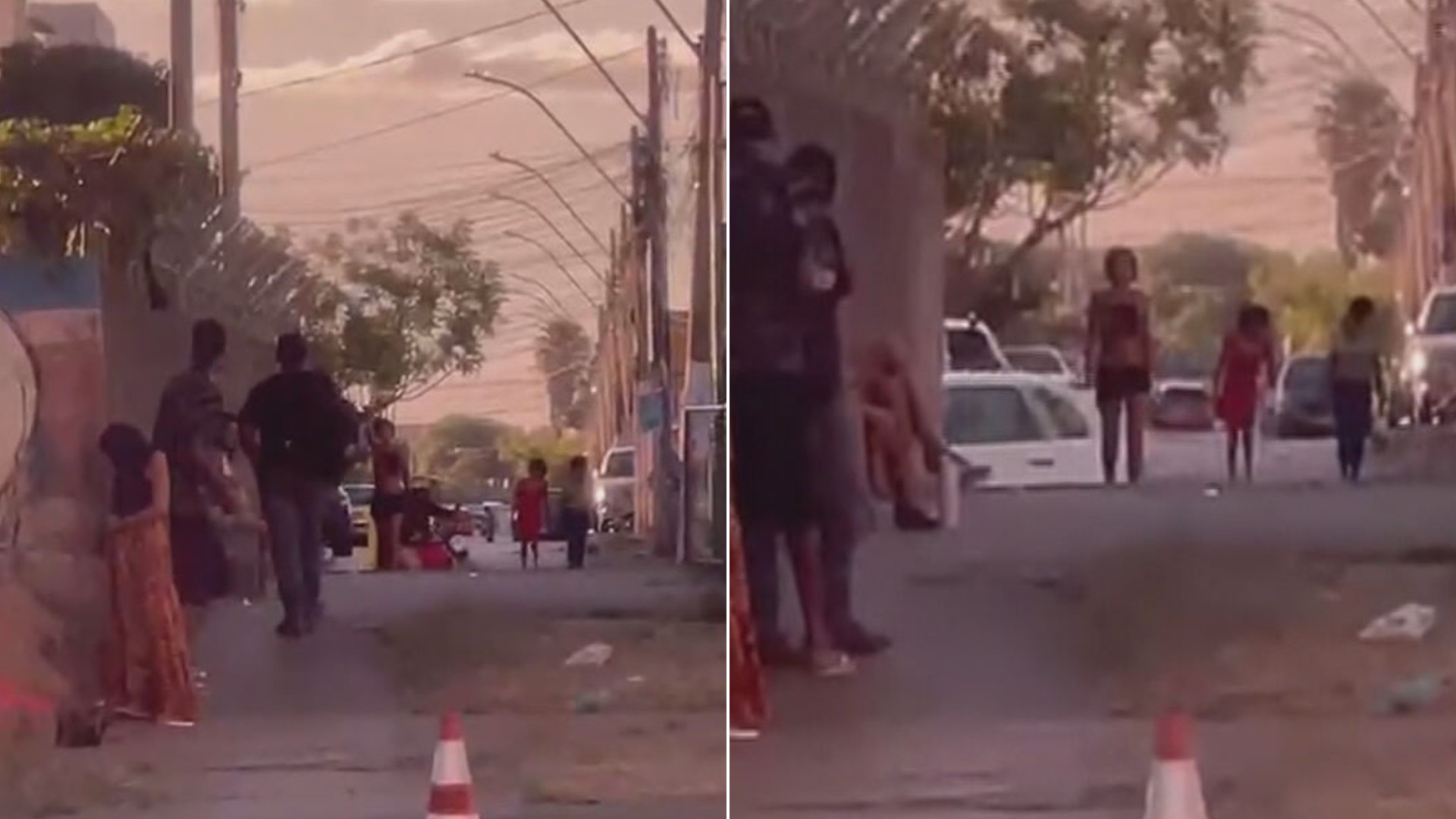
The Civil Police of the Federal District (DF) captured videos showing crack cocaine sales occurring adjacent to the Centro Fundamental 35 public school in Ceilândia. The footage, recorded on Tuesday, November 21st, depicts drug transactions taking place at the school's wall while students and families pass by. Authorities apprehended four individuals on the same day: three suspected of selling drugs and one allegedly monitoring the area. Seized items included crack cocaine, cash, and a scale. Despite these arrests, a TV Globo crew observed that drug trafficking activities persisted at the location. Plainclothes officers monitored the school for over an hour, witnessing drug purchases by two individuals aged 53 and 58. Subsequently, the four suspects, two of whom are 19 years old, were arrested. The two users were released after signing terms for personal drug possession. The four alleged traffickers were detained, with police noting only one had no prior criminal record. During a custody hearing on Wednesday, November 22nd, the suspect without a record was released under electronic monitoring, while the other three had their detentions upheld. Delegate Ataliba Neto highlighted that one arrested individual had recently been released for a robbery and was again committing serious crimes, while another, with multiple prior convictions and currently under house arrest, was openly engaged in drug trafficking near the school. A TV Globo team reported observing a significant drug trade and crack use in the vicinity, with dozens of individuals selling narcotics.
This incident highlights a critical public safety challenge where illicit drug markets operate in close proximity to educational institutions, posing risks to students and the community. The police's swift action in apprehending suspects and seizing contraband demonstrates enforcement efforts. However, the continued activity observed post-arrest suggests the need for more comprehensive strategies beyond immediate enforcement, potentially involving social intervention programs, increased community policing, and addressing the underlying socioeconomic factors that may contribute to drug trafficking and use in such areas. The system's vulnerability is exposed when individuals with prior offenses, even under restrictive measures like house arrest, can re-engage in criminal activity, indicating potential gaps in monitoring or rehabilitation effectiveness. Future approaches might consider integrated security and social support systems to create safer environments for vulnerable populations.
AI-generated to prompt reflection — not editorial opinion, not advice, not a statement of fact. How this works.