Crafts Offer Healing Benefits for Seniors, Enhancing Quality of Life
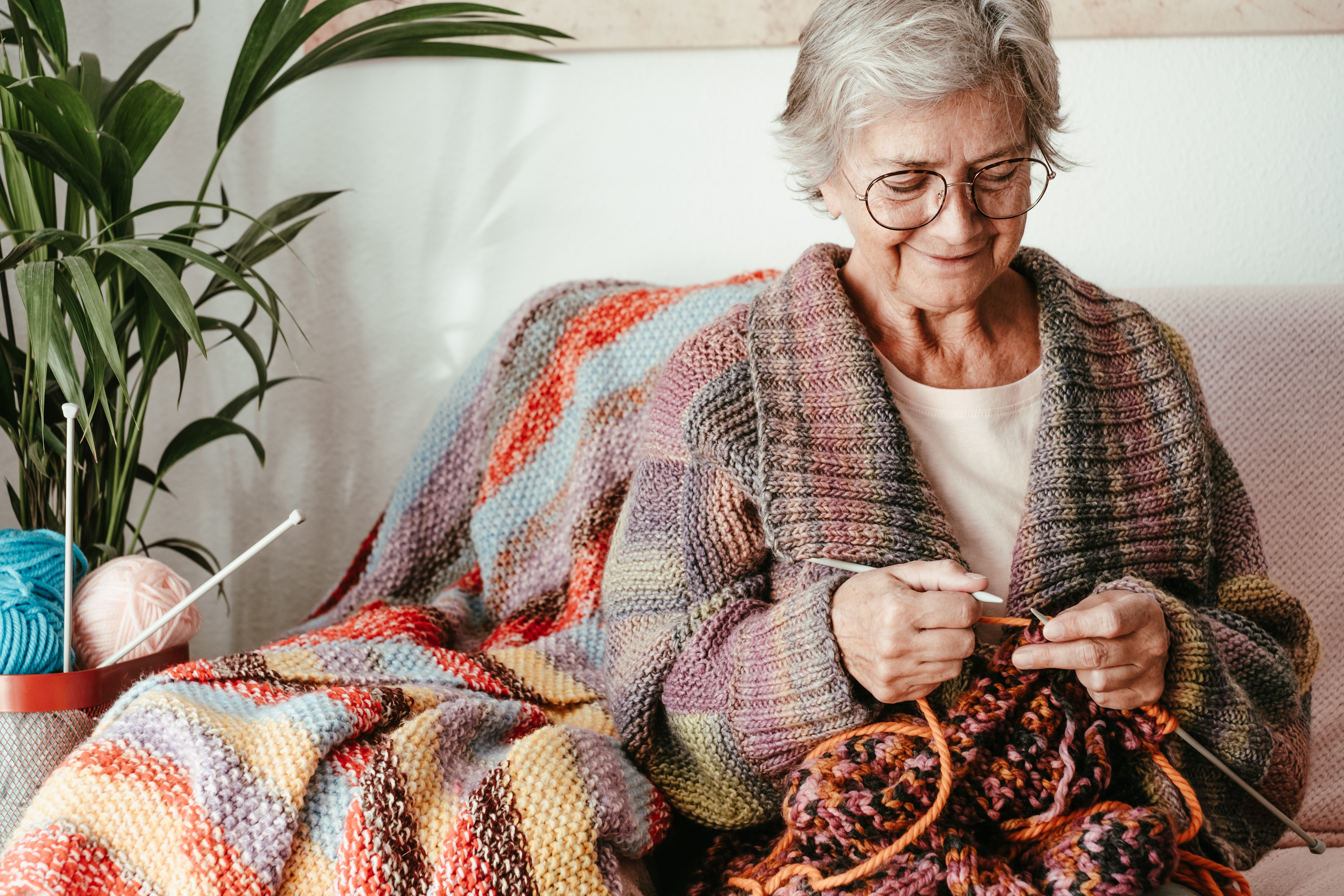
Crafting activities are proving to be more than just simple pastimes for older adults, offering significant therapeutic benefits that can enhance their overall quality of life. These hands-on pursuits are increasingly recognized for their positive impact on mental and emotional well-being. Engaging in crafts provides seniors with opportunities for creative expression, which can be particularly beneficial for those experiencing social isolation or cognitive decline. The process of creating something tangible can foster a sense of accomplishment and purpose, boosting self-esteem and reducing feelings of loneliness. Furthermore, the fine motor skills required for many crafts can help maintain dexterity and cognitive function. These activities also offer a structured way to spend time, providing a sense of routine and predictability that can be comforting. The social aspect of group craft sessions can further combat isolation, fostering connections and shared experiences among participants. Ultimately, these creative endeavors contribute to a more fulfilling and engaged later life.
The growing recognition of manualidades, or crafts, as therapeutic tools for seniors highlights a broader societal shift towards valuing holistic well-being. This trend reflects an understanding that engagement in creative and purposeful activities can mitigate the negative impacts of aging, such as social isolation and cognitive decline. From a systemic perspective, investing in accessible and diverse craft programs for older adults could yield significant public health benefits by reducing healthcare costs associated with loneliness and cognitive impairment. The challenge lies in scaling these initiatives and ensuring equitable access, particularly for those in underserved communities. Looking ahead, integrating such programs into broader elder care frameworks, potentially leveraging technology for remote participation or skill-sharing, could further amplify their positive effects in an increasingly digital world.
AI-generated to prompt reflection — not editorial opinion, not advice, not a statement of fact. How this works.
