Creative Economy to Drive Growth in Indonesian Transmigration Zones
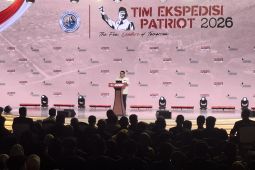
Indonesia's Minister of Creative Economy, Teuku Riefky Harsya, has stated that the creative economy is poised to become a significant driver of growth in transmigration areas. This strategic focus aims to leverage the unique potential of these regions to foster economic development. The minister highlighted the sector's capacity to create new economic opportunities and enhance local livelihoods. By prioritizing the creative economy, the government intends to unlock untapped potential within these areas, which have historically been designated for population redistribution. The initiative underscores a shift towards more sustainable and diversified economic models. It is anticipated that this approach will not only boost local economies but also contribute to national economic resilience. The minister's remarks signal a commitment to integrating creative industries into broader development strategies. This could lead to job creation and improved living standards for residents in these designated zones. The government believes that fostering creativity and innovation is key to achieving inclusive growth across the archipelago.
The Indonesian government's emphasis on the creative economy in transmigration areas reflects a strategic pivot towards leveraging cultural and innovative assets for regional development. This approach acknowledges the limitations of traditional economic models and seeks to harness the agility and scalability of creative industries. By focusing on these sectors, the government aims to create localized economic engines that can foster self-sufficiency and reduce reliance on external support. Such a strategy, if effectively implemented, could address historical development disparities and promote more equitable growth. However, success will hinge on robust infrastructure, access to capital for local entrepreneurs, and policies that protect intellectual property and foster fair competition within the creative ecosystem.
AI-generated to prompt reflection — not editorial opinion, not advice, not a statement of fact. How this works.