Crete Tourism Season: Discounts, Last-Minute Bookings, More Arrivals, Lower Revenue
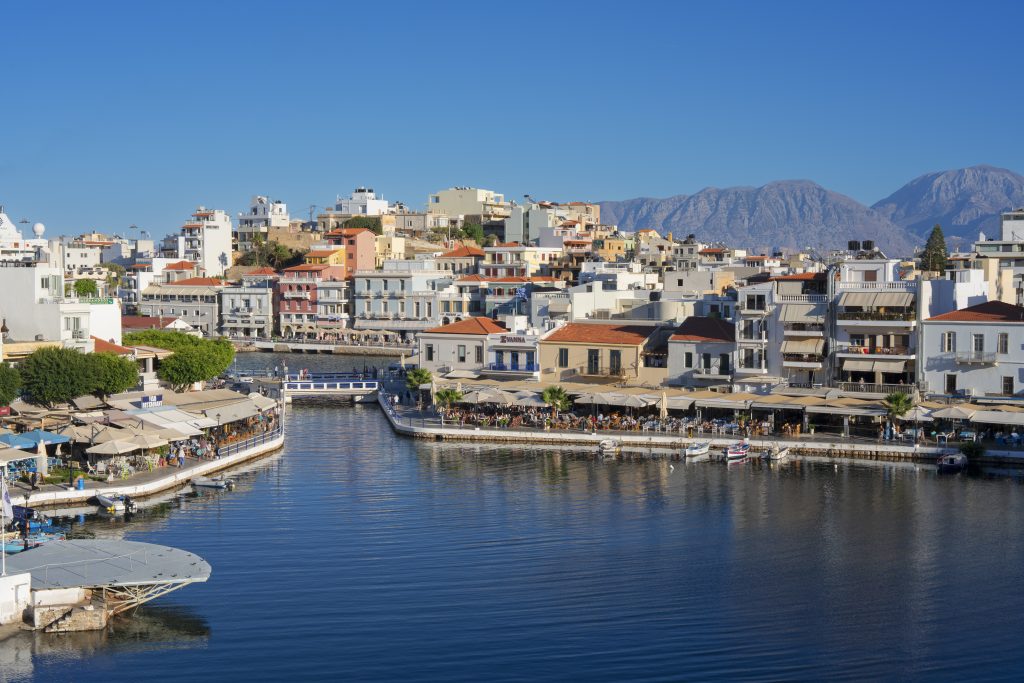
The tourism season in Crete has been characterized by offers, discounts, and a rise in last-minute bookings. Hoteliers are expressing concern over reduced revenues despite an increase in tourist arrivals. This situation has led to lower occupancy rates, particularly in luxury hotels. The season's strategy has leaned heavily on promotional pricing to attract visitors. While the influx of tourists is positive, the financial returns are not meeting expectations. This trend suggests a potential shift in tourist spending habits or market dynamics affecting profitability. Hoteliers are now evaluating the long-term impact of these pricing strategies on the island's tourism economy.
The Greek tourism sector, particularly on Crete, is navigating a complex market dynamic where increased arrival numbers do not directly translate to proportional revenue growth. This suggests a potential over-reliance on discount-driven demand, which may attract volume but compromise profitability, especially in higher-tier accommodations. Future strategies might need to balance volume with value-based offerings to ensure sustainable revenue streams. Examining the incentive structures for both tourists and providers could reveal opportunities to enhance overall economic yield. The long-term sustainability of a model prioritizing last-minute bookings and discounts warrants careful consideration in the evolving global travel landscape.
AI-generated to prompt reflection — not editorial opinion, not advice, not a statement of fact. How this works.