Crew's Mid-Air Invention Saved 296 Lives After Impossible DC-10 Control Failure
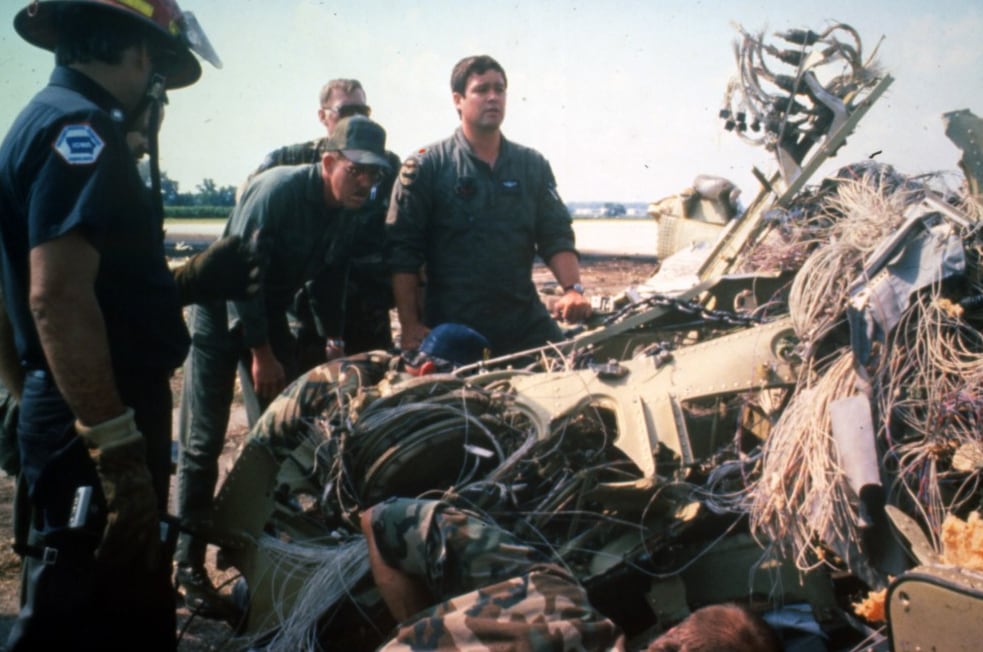
On July 19, 1989, a DC-10 aircraft carrying 296 people experienced a catastrophic loss of control systems during flight. The malfunction was so severe that there was no established procedure for the crew to follow. Faced with an unprecedented emergency, the flight crew had to improvise a solution while airborne. Their quick thinking and innovative maneuvering ultimately allowed them to successfully land the aircraft, averting a potential disaster. This remarkable feat demonstrated extraordinary skill and composure under extreme pressure.
The 1989 DC-10 incident highlights the critical role of human adaptability and problem-solving in aviation safety when facing unforeseen technical failures. While the crew's improvised solution averted immediate disaster, it also underscores the inherent risks in relying solely on pre-defined procedures for all possible scenarios. This event prompts consideration of how training protocols and aircraft design can better prepare for 'impossible' failures, ensuring that even in the absence of established protocols, human intervention can be maximally effective and safe. Future aviation systems may benefit from enhanced AI-driven predictive diagnostics and adaptive control systems that could assist crews in developing real-time solutions, thereby reducing reliance on pure improvisation in high-stakes situations.
AI-generated to prompt reflection — not editorial opinion, not advice, not a statement of fact. How this works.