Cristiano Ronaldo Aims for Historic First in World Cup Knockout Stage
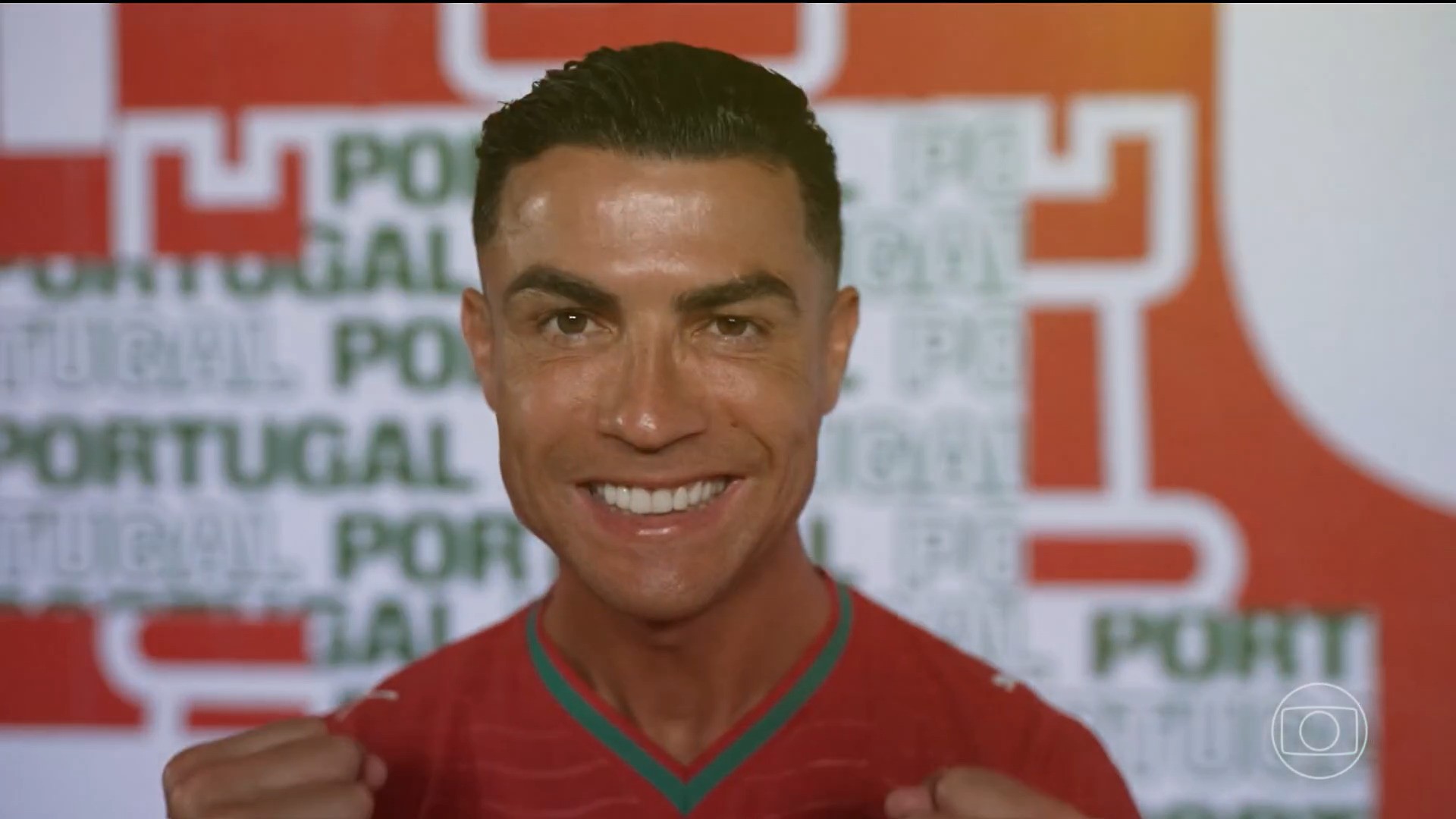
Portuguese star Cristiano Ronaldo, at 41 years old, will have another chance to achieve a unique career milestone during Portugal's World Cup Round of 16 match against Croatia on Thursday, December 2nd. Ronaldo, alongside Lionel Messi, is one of the few players to have participated in six World Cups, and he has notably scored in every single one of them. However, a significant personal record remains elusive: he has never scored a goal in the knockout stages of the tournament. Portugal's best performance with Ronaldo was in 2006 when they reached the semifinals in Germany. Despite winning multiple individual and club honors since then, he has not been able to guide Portugal past the group stage in subsequent tournaments. Now, at the stadium in Toronto, Ronaldo has another opportunity to break this personal drought. His drive for records and victories makes him a crucial player for Portugal's aspirations to win their first-ever World Cup title. Although Portugal boasts a talented squad, their performances in the group stage have not been entirely convincing, finishing second in Group K. Midfielder Vitinha acknowledged the criticism but urged fans to maintain faith, stating that the players are as eager to win as anyone. Ronaldo's pursuit of this personal record at 41 underscores his enduring presence in the sport.
The narrative surrounding Cristiano Ronaldo's pursuit of a knockout stage goal highlights the enduring appeal of individual achievement within team sports. While Ronaldo's longevity and scoring record across multiple World Cups are remarkable, the focus on this specific unmet target in the latter stages of his career raises questions about performance pressure and legacy. As football evolves with increasing tactical sophistication and the rise of new talent, the emphasis on established stars achieving personal milestones can sometimes overshadow the team's collective performance. This situation prompts consideration of how sports narratives balance individual brilliance with the ultimate goal of team success, particularly in high-stakes tournaments where national pride is paramount. The ongoing quest for this elusive goal, regardless of the outcome, demonstrates the powerful psychological drive that fuels elite athletes and shapes public perception of their careers.
AI-generated to prompt reflection — not editorial opinion, not advice, not a statement of fact. How this works.