Cristiano Ronaldo and Luka Modric in Starting Lineups for World Cup
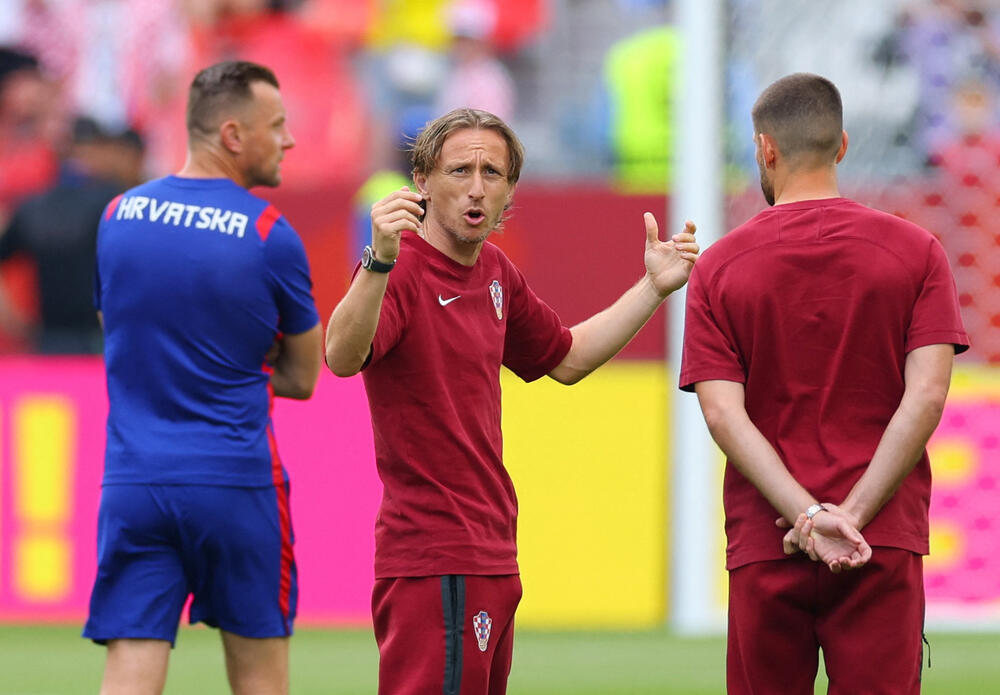
The 2026 FIFA World Cup, hosted by the United States, Mexico, and Canada, is underway, marked by the inclusion of star players Cristiano Ronaldo and Luka Modrić in the starting lineups. Their participation highlights the ongoing global interest in the tournament and the continued relevance of these veteran athletes on the world stage. The tournament promises a month of intense competition as nations vie for the coveted title. Fans worldwide are tuning in to witness the skills and strategies of top international teams. The opening days have set a high bar for the level of play expected throughout the competition. Preparations for this edition of the World Cup have been extensive, aiming to provide a memorable experience for players and spectators alike. The joint hosting effort by three North American countries represents a significant logistical undertaking. The tournament's progression will be closely watched for emerging talents and potential upsets.
The inclusion of veteran stars like Cristiano Ronaldo and Luka Modrić in the 2026 World Cup starting lineups underscores the enduring appeal of established talent in major sporting events. This phenomenon reflects both the athletes' sustained performance capabilities and the commercial strategies that leverage their global recognition. From a systems perspective, the longevity of such players in a physically demanding sport raises questions about training methodologies, sports science advancements, and the potential for age-defying athletic careers in the future. The tournament's multi-country hosting model, involving the US, Mexico, and Canada, presents a complex logistical and economic framework, testing inter-governmental cooperation and infrastructure readiness. As the event unfolds, its success will be measured not only by athletic outcomes but also by its ability to foster international goodwill and economic benefits across the host nations, while navigating the evolving landscape of global sports governance and fan engagement in the digital age.
AI-generated to prompt reflection — not editorial opinion, not advice, not a statement of fact. How this works.