Cristiano Ronaldo Criticizes Media Treatment Following Portugal's Draw
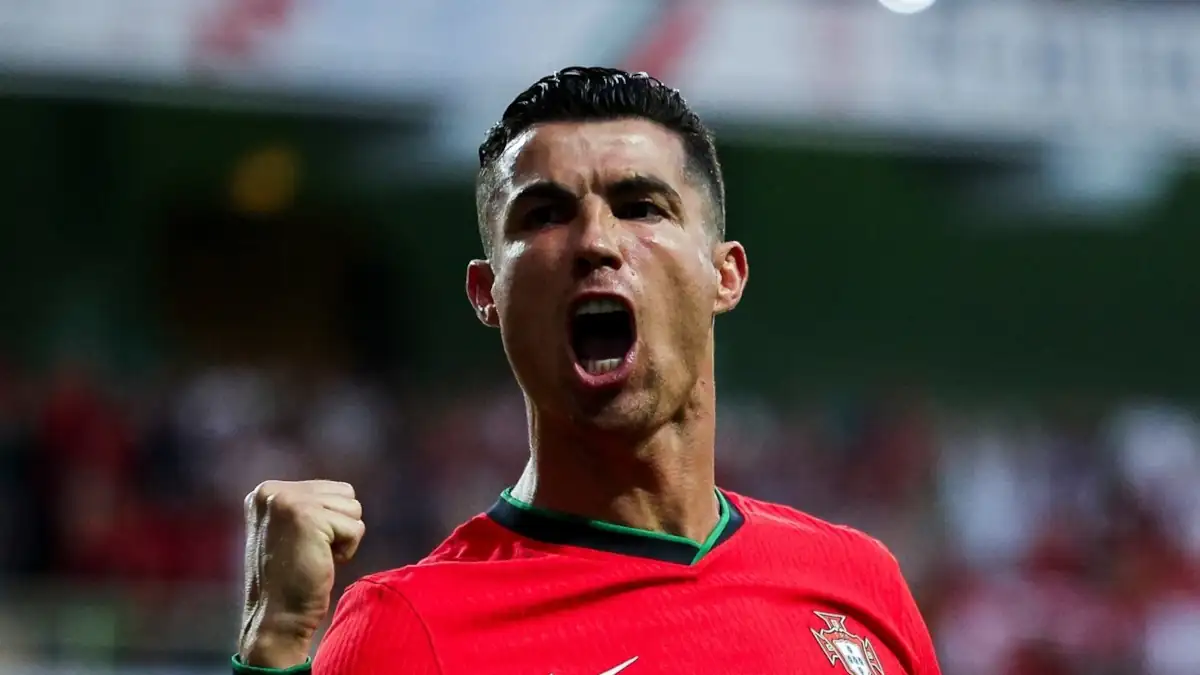
Cristiano Ronaldo, the 41-year-old captain of the Portuguese national football team, has spoken out against media coverage following his team's 1-1 draw against the Democratic Republic of Congo. The match, which took place on June 17th, marked the opening day of Group K in the 2026 World Cup qualifiers. Ronaldo expressed his dissatisfaction with how the media has portrayed his career and the team's performance. He has been a prominent figure in international football for many years, leading Portugal to numerous victories and accolades. This recent statement suggests a growing frustration with the scrutiny he and his team face, particularly after a disappointing result. The draw against the DRC places immediate pressure on Portugal to perform better in their upcoming matches to secure qualification for the World Cup. Ronaldo's comments highlight the intense public and media attention that accompanies elite athletes, especially as they navigate the later stages of their careers.
Cristiano Ronaldo's public critique of media treatment, particularly following a drawn match in a World Cup qualifier, reflects the intense pressure and scrutiny faced by high-profile athletes. His statement, made at age 41, may signal a shift in his approach to managing public perception as his career progresses. The incident underscores the complex relationship between athletes, media, and fan expectations, where performance is constantly dissected. From a systemic perspective, the media's role in shaping narratives around sports figures can significantly impact team morale and public opinion, potentially influencing future performance and career longevity. As football continues its global expansion and commercialization, the demands on athletes to perform under constant observation are likely to intensify, necessitating robust personal and team strategies for media engagement and psychological resilience.
AI-generated to prompt reflection — not editorial opinion, not advice, not a statement of fact. How this works.