Cristina Kirchner Claims UN Appeal Over "Structural Machismo" Conviction
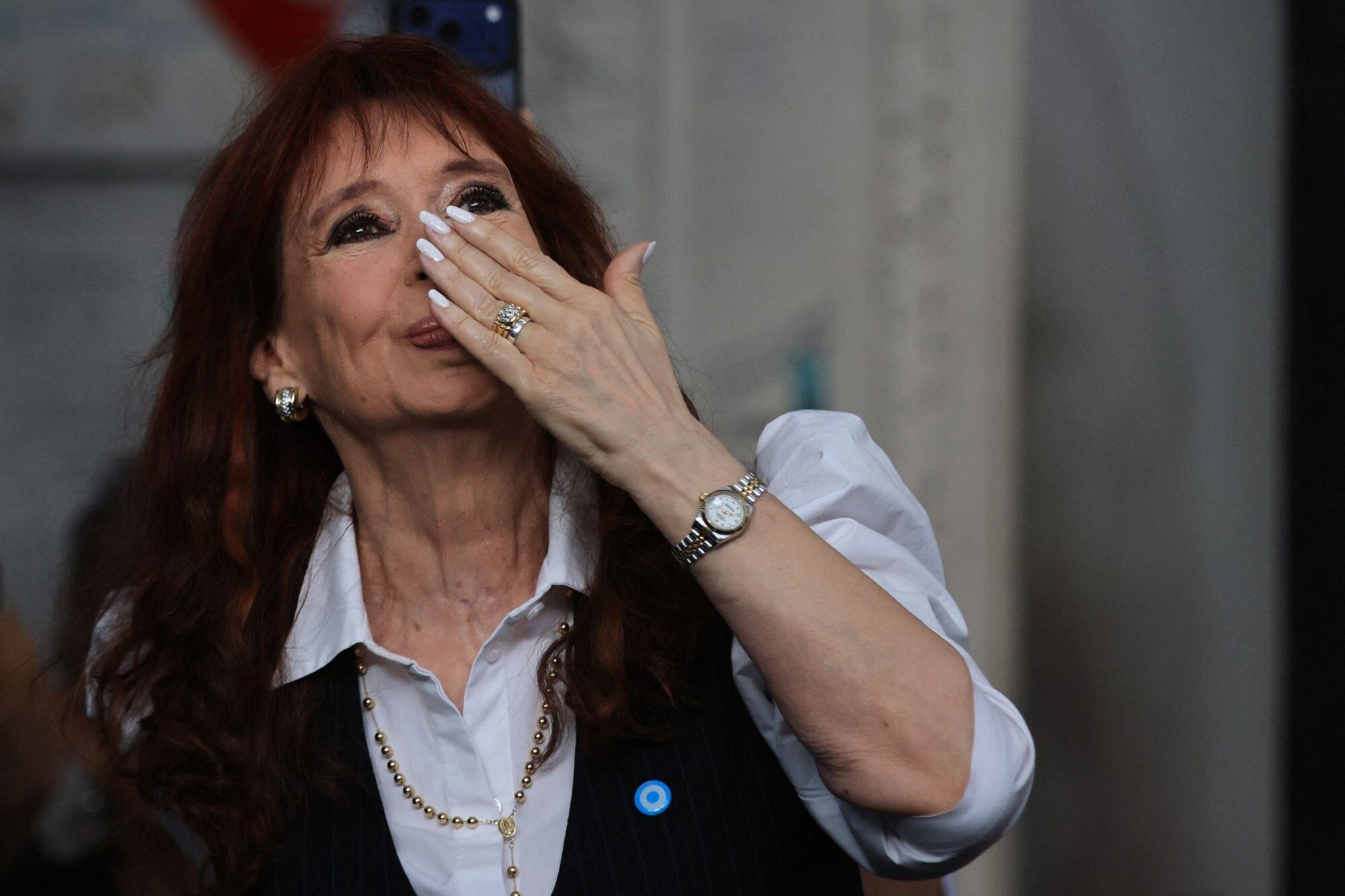
Former Argentine President Cristina Kirchner has published an open letter on social media, asserting that her conviction in the Vialidad case is a result of "structural machismo." She has taken her case to the United Nations to challenge the ruling. Kirchner, who served as president from 2007 to 2015, is facing a six-year prison sentence and a lifetime ban from holding public office. The Vialidad case centers on allegations of fraudulent administration and illicit association related to public works contracts awarded during her tenure. Her legal team has been working to appeal the decision, and this move to the UN signifies a significant escalation in her efforts to overturn the conviction. Kirchner has consistently maintained her innocence, framing the legal proceedings as politically motivated persecution. The former president's statement highlights her perspective that societal biases played a role in the judicial outcome.
Cristina Kirchner's appeal to the UN, framing her conviction as rooted in "structural machismo," introduces a complex layer of socio-political interpretation onto a legal judgment concerning alleged corruption. This strategy seeks to reframe the narrative from one of financial malfeasance to one of systemic gender bias, potentially leveraging international human rights frameworks. Such appeals can highlight governance issues and the perceived politicization of justice systems, prompting scrutiny of judicial processes and their susceptibility to external pressures, including societal norms and political influence. The long-term implications may involve increased international attention on Argentina's legal and political landscape, potentially influencing investor confidence and diplomatic relations, while also contributing to broader global discussions on gender equality within institutional structures.
AI-generated to prompt reflection — not editorial opinion, not advice, not a statement of fact. How this works.