Criticism Mounts Over Advisory Board for Radical Islam Watchdog in Lower Austria
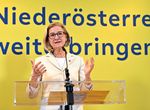
An advisory board established for a new watchdog organization focused on radical Islam in Lower Austria is facing significant criticism. According to religious scholars, members of this advisory panel reportedly lack the necessary expertise in Islamic studies. This lack of specialized knowledge raises questions about the board's effectiveness and credibility in addressing the complex issue of radical Islam.
The office of Governor Mikl-Leitner has publicly refuted these criticisms. They maintain that the appointed members are suitable for their roles and possess the required qualifications to contribute to the watchdog's mission. The dispute highlights a potential disconnect between academic expectations and the practical composition of such oversight bodies, particularly when dealing with sensitive and multifaceted societal issues.
The establishment of a watchdog for radical Islam in Lower Austria, coupled with an advisory board, signals a governmental effort to monitor and potentially counter extremism. However, the controversy surrounding the advisory board's expertise suggests a potential governance challenge. If the board's members are perceived as unqualified by relevant academic fields, it could undermine the watchdog's legitimacy and effectiveness. This situation highlights the delicate balance between political appointment and the need for specialized knowledge in sensitive policy areas. Future iterations of such bodies might benefit from more transparent selection processes that prioritize demonstrable expertise, thereby fostering greater public trust and academic credibility.
AI-generated to prompt reflection — not editorial opinion, not advice, not a statement of fact. How this works.