Critique of Benchmarking Practices: Napkin Math, AI Models, and Tire Performance
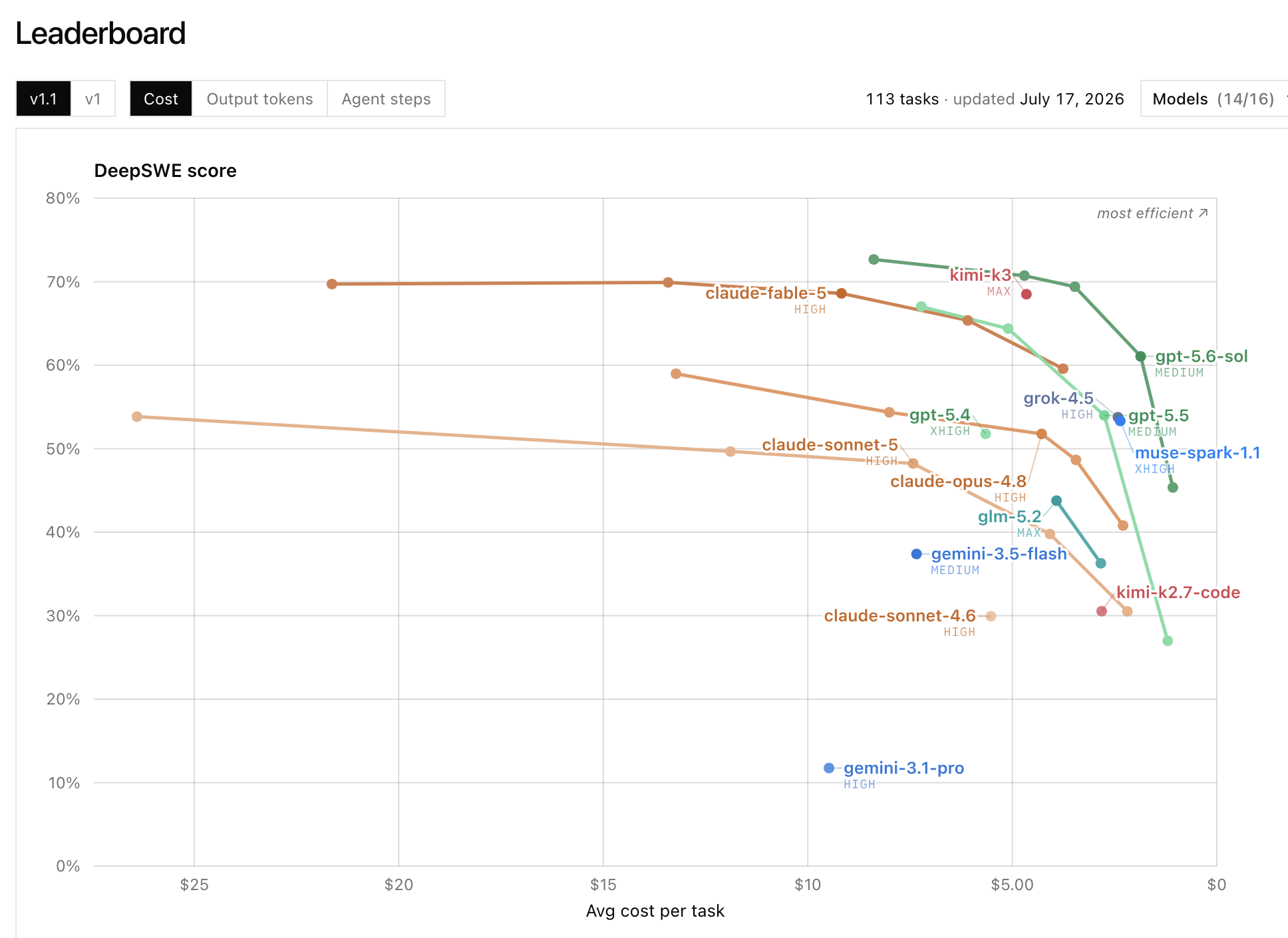
This article, part of a series on benchmarking and experimental design, examines potential flaws in common performance estimations and evaluations. It begins by scrutinizing the "napkin math" performance estimates found on a popular GitHub repository, specifically highlighting issues with its measurement of random memory read/write latency. The author's friend, Jamie, points out that the listed 20ns latency is likely incorrect because the provided code allows for parallel memory reads, which masks the true latency by not enforcing data dependencies. Jamie also notes the imprecise use of the term "latency" for metrics that are not strictly latencies, but rather related to throughput. The article then shifts to evaluating AI model benchmarks, referencing DeepSWE and Senior SWE-Bench, and questions their validity as general performance indicators. Finally, it addresses the common assertion that winter tires are superior to all-season tires in cold weather, citing an AI-generated Google summary that claims all-season tires stiffen and lose traction below 7°C (45°F). The author suggests that this widely-held belief, often found in online discussions, may also warrant closer examination.
This piece highlights systemic challenges in performance benchmarking and evaluation across diverse technical domains. The "napkin math" example illustrates how simplified metrics can misrepresent actual system behavior, particularly when parallel processing capabilities are not adequately accounted for, leading to potentially misleading performance figures. Similarly, the critique of AI model benchmarks like DeepSWE and Senior SWE-Bench suggests a need for more robust and less easily gamed evaluation methodologies to accurately reflect model capabilities. The discussion on winter tires touches upon the propagation of potentially oversimplified or context-dependent claims, which can become entrenched as common knowledge without rigorous, nuanced validation. These examples collectively underscore the importance of critical assessment of evaluation frameworks, emphasizing that performance data requires careful interpretation within its specific operational context and measurement constraints to avoid drawing inaccurate conclusions.
AI-generated to prompt reflection — not editorial opinion, not advice, not a statement of fact. How this works.