Croatia Draws Parallels Between Montenegro and Serbia Over War Crimes Site
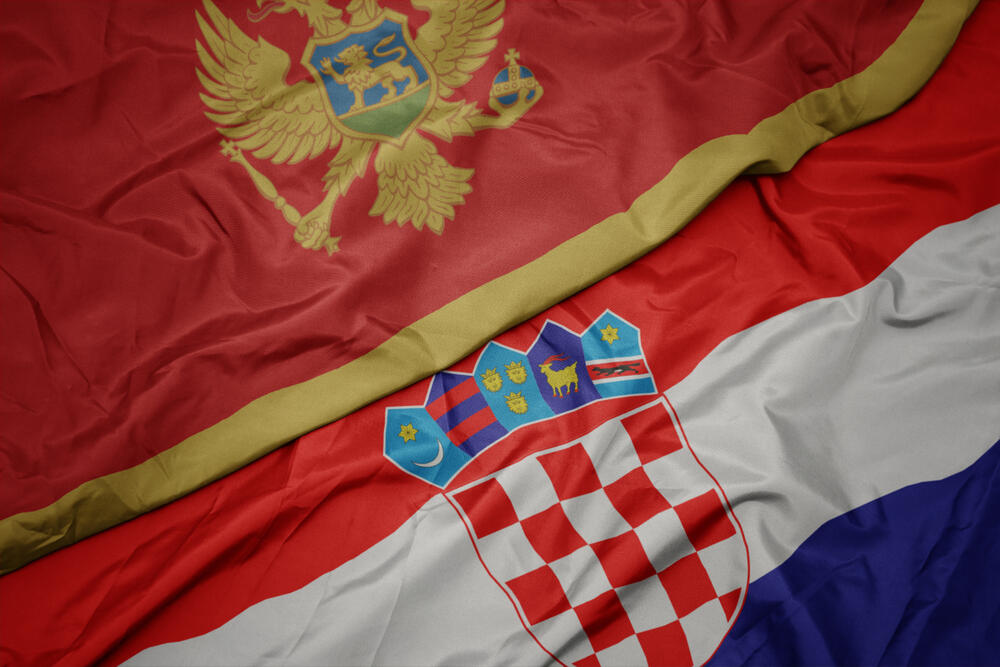
Croatia is drawing a potentially dangerous analogy between Montenegro and Serbia, which could jeopardize Montenegro's European aspirations. This comparison is centered around the Morinj camp case, a site associated with war crimes. Beyond the existing border dispute, Zagreb's focus on this historical issue suggests a strategic linkage being made. The Morinj camp, located in Montenegro, has become a focal point for discussions regarding accountability for past atrocities. By linking Montenegro's situation to that of Serbia, Croatia appears to be highlighting perceived similarities in how these countries are addressing historical grievances and their implications for future integration. This analogy could create significant hurdles for Montenegro's EU accession process if not carefully managed. The Croatian government's stance on this matter indicates a complex geopolitical dynamic at play in the Western Balkans.
Croatia's linkage of Montenegro's EU ambitions to the Morinj camp case, drawing parallels with Serbia, suggests a strategic approach to regional diplomacy. This framing may serve to emphasize the importance of fully addressing historical war crimes as a prerequisite for European integration, potentially influencing the pace and conditions of Montenegro's accession. Such a stance could reflect a broader European concern with transitional justice mechanisms in the Western Balkans. By highlighting this analogy, Croatia might be leveraging historical accountability to shape regional geopolitical dynamics and advocate for specific standards in neighboring countries' governance and legal processes. This approach prompts consideration of how past events continue to shape contemporary international relations and the future trajectory of nations seeking closer ties with the European Union.
AI-generated to prompt reflection — not editorial opinion, not advice, not a statement of fact. How this works.