Croatia's Invisible Touch: FIFA's Explanation and Local Media Outrage After Elimination
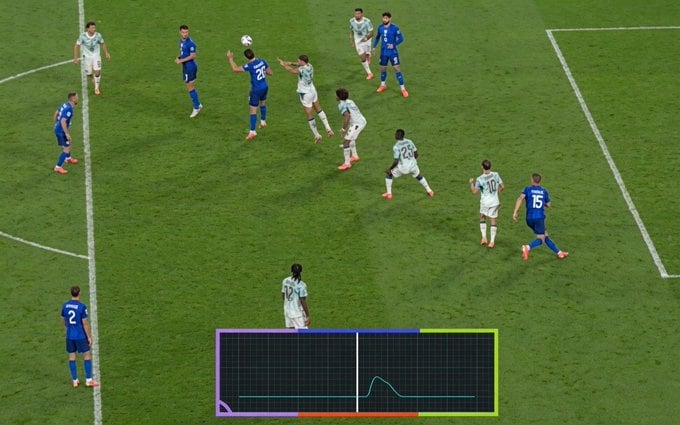
Croatia has been eliminated from a competition following a controversial decision involving an "invisible" touch. The Croatian press has expressed significant anger regarding the outcome. The focal point of the controversy appears to be a disallowed goal scored by Igor Matanović. FIFA has provided an explanation for the decision, which has done little to quell the dissatisfaction among Croatian media outlets and fans. The "invisible" touch, as described, suggests a subtle infraction that led to the crucial goal being overturned. This incident has sparked widespread debate about the interpretation and application of rules in football. The disappointment is palpable, with local media amplifying the frustration over what they perceive as an unjust elimination. Matanović, the player involved in the disallowed goal, has also spoken out following the match, adding his perspective to the unfolding narrative. The situation highlights the intense scrutiny and emotional investment surrounding major sporting events and the significant impact of officiating decisions.
The incident surrounding Croatia's elimination, particularly the "invisible touch" and subsequent media outcry, underscores the critical role of officiating technology and interpretation in high-stakes sports. FIFA's explanation, while aiming for clarity, has evidently failed to satisfy the aggrieved parties, suggesting a potential disconnect between the governing body's rationale and the perception on the ground. This event prompts reflection on the balance between technological assistance in officiating, such as VAR, and the subjective human element of the game. Moving forward, a focus on transparent communication of officiating protocols and consistent application across all matches will be crucial to maintaining trust and mitigating such controversies. The long-term implications involve refining these systems to ensure fairness and reduce the impact of marginal calls on tournament outcomes, especially as sports become increasingly data-driven.
AI-generated to prompt reflection — not editorial opinion, not advice, not a statement of fact. How this works.