Croatia: Shipwreck's gold treasure reveals unknown aspects of the Roman Empire
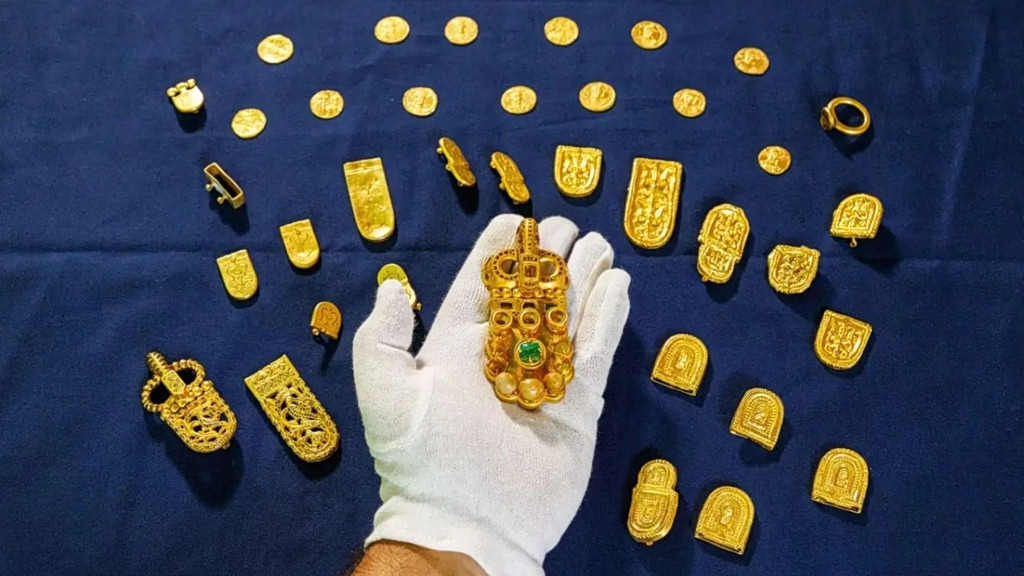
A significant archaeological discovery has been made off the coast of Croatia, involving a shipwreck dating back to the 7th or 8th century AD. The vessel contains a treasure trove of gold artifacts, which are expected to shed light on previously unknown facets of the Roman Empire's history and influence during that period. This find is considered one of the most important archaeological discoveries of its era. The artifacts recovered from the shipwreck are anticipated to provide invaluable insights into the trade, culture, and daily life of the Roman Empire. Researchers are particularly interested in how these findings might alter or expand our current understanding of Roman maritime activities and its reach. The excavation and study of the shipwreck are ongoing, with the potential for further revelations about this historical period. The location of the shipwreck is being kept confidential to ensure the preservation and security of the site. The discovery highlights the rich, often hidden, history lying beneath the waves and the importance of underwater archaeology in uncovering the past.
This underwater discovery presents a unique opportunity to expand historical knowledge regarding the Roman Empire's later centuries. The presence of a gold treasure suggests significant economic activity and potentially the movement of valuable goods, offering a tangible link to the period's commerce and wealth distribution. Analyzing the origin and style of the artifacts could reveal more about trade routes, cultural exchanges, and the extent of Roman influence or interaction with other civilizations during the 7th and 8th centuries AD. This finding underscores the ongoing potential for archaeological exploration to challenge and refine existing historical narratives, particularly concerning periods where written records may be scarce. The preservation of such a find also raises questions about the long-term management and accessibility of underwater cultural heritage.
AI-generated to prompt reflection — not editorial opinion, not advice, not a statement of fact. How this works.