CRQ Exam Applications Close Monday; Salaries Reach Over R$3,300 with Benefits
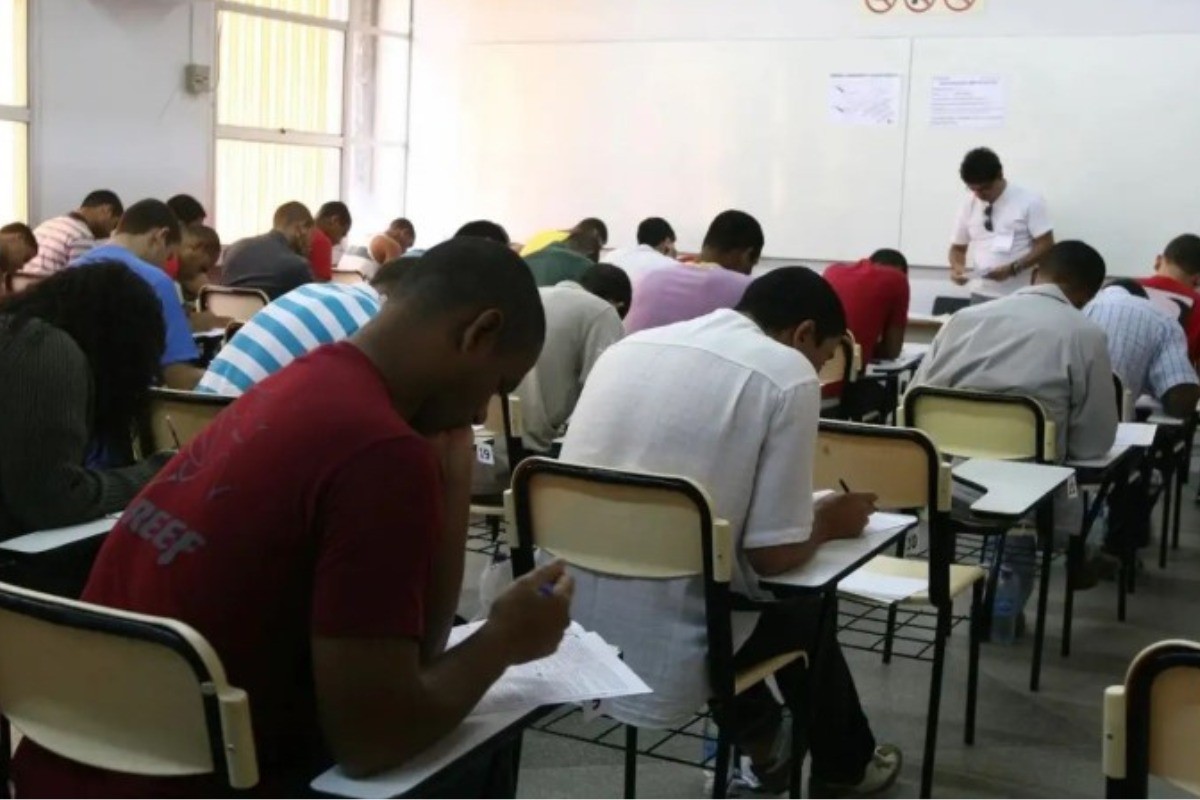
Applications for the public examination of the Regional Chemistry Council of the 20th Region (CRQ-20) conclude this Monday, June 6th. The competition aims to fill two immediate positions and establish a reserve pool of 80 candidates for roles requiring secondary and technical education. Initial salaries start at R$2,112, with the potential to increase to R$3,304 per month when including various benefits. The application process is exclusively online, requiring a R$60 fee for all positions. The examination is scheduled for August 16th and will take place at the council's administrative headquarters in Campo Grande, Mato Grosso do Sul, located at Avenida Mato Grosso, nº 3862. Beyond the immediate openings for administrative assistant and inspector, a reserve list of 40 candidates for each role will be formed, accommodating general applicants and specific quotas for individuals with disabilities, Black, Indigenous, and Quilombola candidates. In addition to the base salary, the Council provides a meal allowance of R$1,192, health coverage (medical, hospital, and dental), and transportation assistance. The complete announcement and application form are accessible through the organizing committee's website.
This public examination by the CRQ-20 highlights a structured approach to public sector recruitment, offering competitive compensation and benefits to attract qualified personnel. The inclusion of diverse quotas reflects evolving public administration standards aimed at promoting inclusivity. From a systemic perspective, such competitive recruitment processes are crucial for ensuring the operational efficiency and specialized expertise required by regulatory bodies. The structure of benefits, including meal and health allowances, suggests an understanding of employee welfare as a component of sustained performance and retention. Evaluating this process over the next decade, it will be interesting to observe how technological advancements in recruitment and public service delivery might further refine or alter such traditional examination models.
AI-generated to prompt reflection — not editorial opinion, not advice, not a statement of fact. How this works.