CSD Attack Suspect: How to Stop Radicalization?
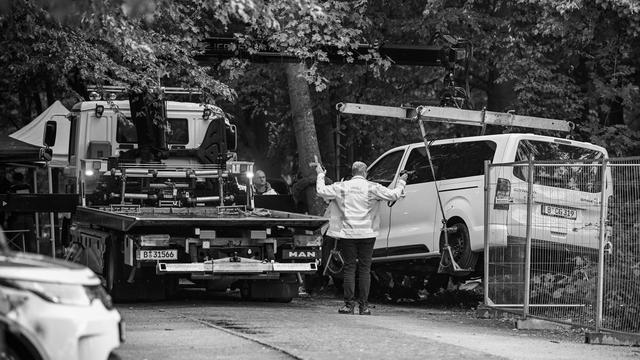
The suspect in the Cologne Christopher Street Day (CSD) attack, identified as Abdul B., had previously participated in a deradicalization program. This raises questions about the effectiveness of such measures and why the program failed to prevent his alleged actions. The article also touches upon the ongoing search for an Ebola vaccine, indicating a broader scope beyond the immediate incident.
Authorities are investigating the circumstances surrounding Abdul B.'s participation in the deradicalization program. The focus is on understanding the specific interventions used and their outcomes, as well as identifying any potential shortcomings or factors that may have contributed to the program's perceived failure. The broader implications for combating radicalization and improving existing intervention strategies are also being considered. The mention of the Ebola vaccine search suggests a juxtaposition of public health and security concerns, or perhaps a wider exploration of societal challenges.
The failure of a deradicalization program to prevent an alleged attack highlights systemic challenges in identifying and mitigating radicalization pathways. This situation prompts an examination of the efficacy of current intervention models, their adaptability to individual psychological profiles, and the potential for external influences to override program objectives. Future strategies may need to incorporate more dynamic risk assessment tools and community-based support networks that can offer sustained engagement beyond formal programs. The juxtaposition with the Ebola vaccine search could imply a broader commentary on society's capacity to address complex, evolving threats, whether biological or ideological, and the critical importance of robust, evidence-based solutions.
AI-generated to prompt reflection — not editorial opinion, not advice, not a statement of fact. How this works.